What are the Advantages of Rigid Flex PCBs for Your Projects
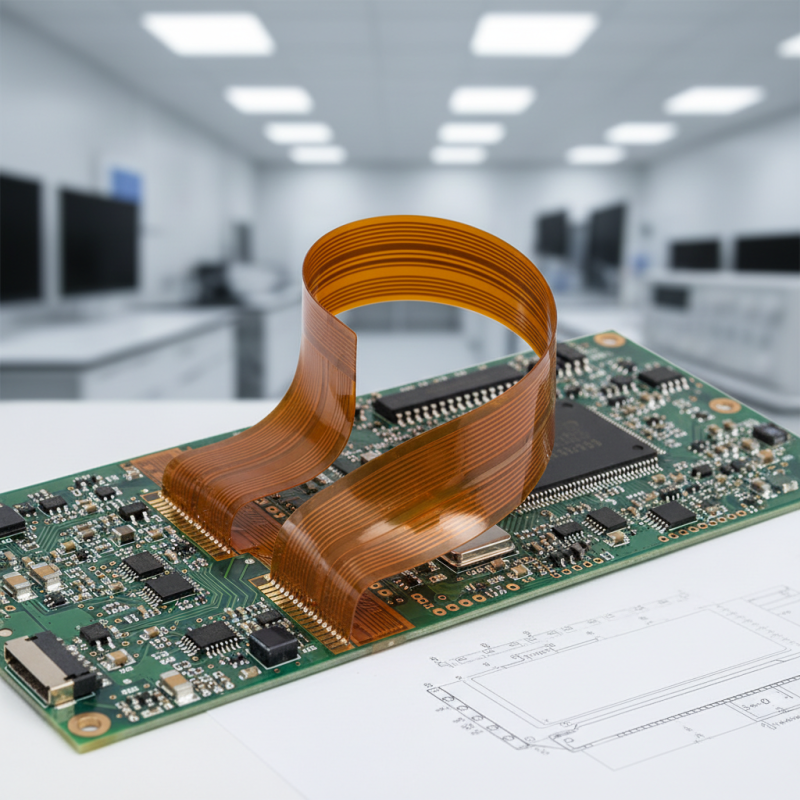
Rigid flex PCBs are gaining popularity in various industries. They combine the benefits of both rigid and flexible circuits. This unique combination allows for versatile designs and compact applications.
The advantages of rigid flex circuits are numerous. They offer enhanced durability and reliability. Manufacturers often utilize them in challenging environments. Their ability to withstand stress and reduce material fatigue is particularly noteworthy. Projects that require intricate layouts can greatly benefit from these PCBs.
However, designing with rigid flex circuits is not without challenges. The initial costs may be higher than traditional PCBs. Engineers must have expertise in materials and fabrication. It’s essential to weigh these factors before proceeding. Rigid flex technology provides innovative solutions, but careful consideration is crucial.
Advantages of Rigid Flex PCBs in Modern Electronics
Rigid Flex PCBs are becoming increasingly popular in modern electronics. They combine the best features of rigid and flexible circuits, making them suitable for diverse applications. One key advantage is their ability to save space. These PCBs can fit into compact designs where traditional boards would struggle. This space-saving benefit often leads to lighter products. A smaller size can enhance portability, an important factor for many devices today.
Another significant benefit is durability. Rigid Flex boards withstand bending and stress, reducing the risk of failure. This is crucial in applications where high reliability is essential. Additionally, they can simplify the assembly process. Fewer connections are needed, which can improve performance and lower production costs.
**Tip:** Always consider environmental factors when designing. Moisture and heat can impact PCB performance. Ensure proper materials are chosen for your project.
Maintaining quality is vital. Rigid Flex PCBs can sometimes be more complex to manufacture. This complexity may lead to inconsistencies if not managed well. Designers should be aware of this. Always engage with experienced manufacturers to mitigate potential issues. Their expertise can guide you through the process efficiently.
**Tip:** Testing prototypes thoroughly can help identify weaknesses early. Don’t skip this step, as late-stage findings can be costly.
Advantages of Rigid Flex PCBs in Modern Electronics
| Advantage |
Description |
Applications |
| Space Savings |
Combines rigid and flexible circuits, reducing the overall footprint. |
Smartphones, wearables, and compact devices. |
| Durability |
More resistant to vibration and stress due to flexible components. |
Automotive electronics, industrial applications. |
| Design Flexibility |
Allows for complex geometries and three-dimensional designs. |
Medical devices, drones, and advanced consumer electronics. |
| Improved Signal Integrity |
Minimizes signal interference through shorter circuits. |
High-frequency applications, telecommunications. |
| Manufacturing Efficiency |
Integrates multiple layers of functionality into a single board. |
Consumer electronics, military devices. |
| Cost-Effectiveness |
Reduces overall material costs by combining circuits. |
Large-scale production, cost-sensitive projects. |
Enhanced Design Flexibility of Rigid Flex PCBs
Rigid flex printed circuit boards (PCBs) have become increasingly popular due to their enhanced design flexibility. Engineers can create intricate layouts that traditional PCBs cannot accommodate. This flexibility allows for innovative multi-dimensional designs, expanding possibilities in compact electronic devices. According to recent industry reports, the rigid-flex PCB market is expected to grow by 8% annually. This growth is driven by the increasing demand in sectors such as aerospace and medical devices.
The ability to combine rigid and flexible elements in one board improves both functionality and durability. For instance, in the automotive industry, rigid flex PCBs can withstand vibrations better than standard designs. This leads to higher reliability in critical applications. Engineers can also reduce assembly time, as fewer components and connections are needed. However, design complexity can introduce challenges. Engineers must account for stress points and bending limitations, which require careful consideration during the design phase.
Tips: Prioritize thorough testing during the prototyping stage. Be mindful of the material properties. Utilizing simulation tools can help refine designs.
Moreover, cost implications are worth discussing. While rigid flex PCBs can be more expensive upfront, the long-term benefits often justify the investment. Reduced assembly costs and enhanced reliability can lead to significant savings over time. Yet, it's essential to analyze project requirements carefully. Not every application needs the advanced features that rigid flex designs offer.
Advantages of Rigid Flex PCBs for Your Projects
This chart illustrates the key advantages of using Rigid Flex PCBs in various applications, showcasing Enhanced Design Flexibility, Space Efficiency, Weight Reduction, and Improved Reliability.
Weight and Space Savings with Rigid Flex PCB Technology
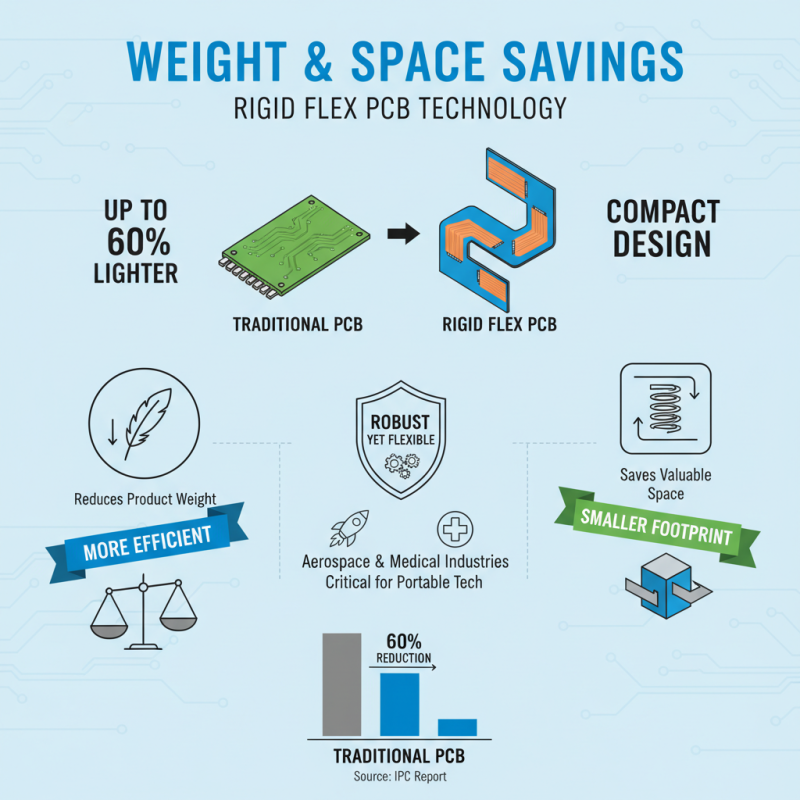
Rigid flex PCBs provide significant weight and space savings, making them a popular choice in various industries. These printed circuit boards combine rigid and flexible substrates, resulting in a lightweight yet robust design. According to a report from IPC, rigid flex PCBs can reduce product weight by up to 60%. This feature is especially beneficial in industries such as aerospace and medical, where every gram counts.
Space efficiency is another crucial aspect. Rigid flex designs can integrate multiple layers and components within a smaller footprint. A study by the Market Research Future estimates that the global flexible circuit market will reach $30 billion by 2027, driven by the demand for compact electronic solutions. However, this technology presents challenges. Design complexity increases with multiple layers and bends, often requiring advanced simulation tools and expertise. There’s a learning curve involved for manufacturers, which can lead to initial production delays.
Overall, while rigid flex PCBs offer impressive advantages, potential drawbacks in design complexity and manufacturing must be addressed. Balancing these factors can determine the project’s success in terms of performance and cost efficiency.
Improved Durability and Reliability in Harsh Environments
Rigid flex PCBs are known for their impressive durability and reliability, especially in harsh environments. Many industries rely on them for projects that involve extreme temperatures, moisture, and vibrations. These boards combine the best of both rigid and flexible technologies, allowing for complex designs without sacrificing strength. This makes them suitable for applications in aerospace, automotive, and medical devices.
One major benefit is their ability to withstand mechanical stress. Unlike traditional PCBs, rigid flex designs can tolerate bending and flexing. This is particularly advantageous in portable devices that undergo frequent movement. Additionally, the manufacturing process often leads to reduced solder joint failures. However, the production costs can be higher, which might lead to reconsideration in budget-sensitive projects.
Another notable aspect is their space-saving design. Rigid flex PCBs can eliminate the need for interconnecting cables. This helps in minimizing the potential failure points within devices. While the technology provides several advantages, engineers need to be mindful of the material selection. Not all materials can handle the environmental demands effectively. It's essential to assess how a PCB design fits within its intended application, addressing both strengths and weaknesses.
Cost-Effectiveness of Rigid Flex PCBs for Prototyping and Production
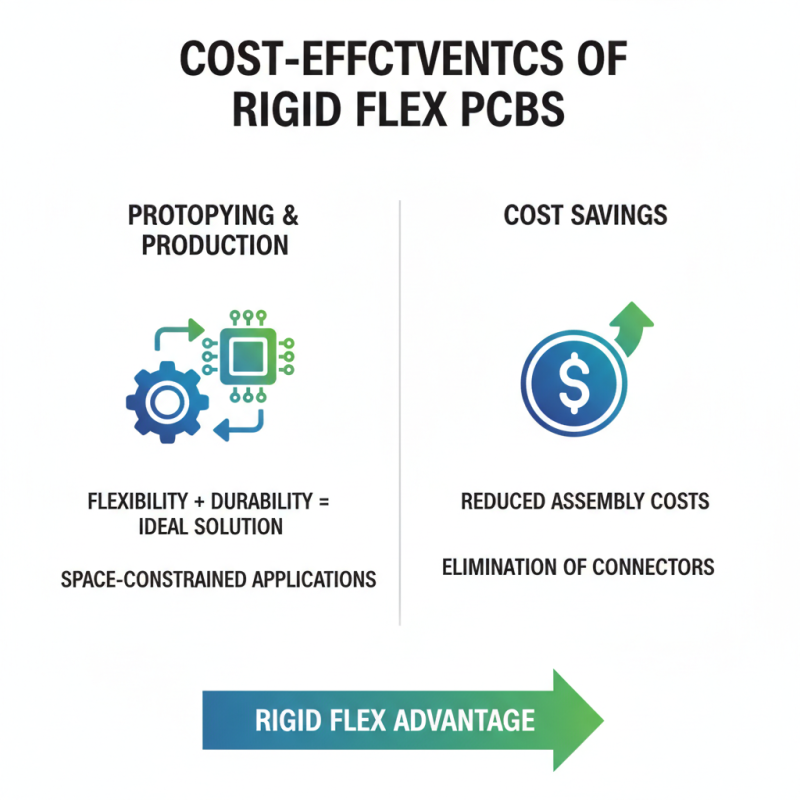
Rigid flex PCBs offer a unique blend of flexibility and durability. This combination makes them an ideal solution for both prototyping and production. They excel in space-constrained applications where traditional PCBs might struggle. The cost-effectiveness of these boards becomes evident when considering reduced assembly costs and the elimination of connectors.
In prototyping, the reduced assembly time can significantly lower initial expenses. Rigid flex PCBs can integrate multiple components into a single board. This integration streamlines the design process and minimizes potential points of failure. Fewer components can also decrease the chances for errors during assembly, leading to higher reliability in final products.
Production costs benefit similarly. While rigid flex PCBs may have a higher initial manufacturing cost, their durability often leads to fewer failures in the field. This durability can result in lower warranty costs and decreased returns. However, companies must evaluate if the trade-off in cost aligns with their project needs. Ultimately, understanding these factors can lead to better decisions in material selection.