
Blog

How to Choose the Best Paper Food Box Machine in China?

Choosing a Paper Food Box Machine in China is a production decision, not just a price comparison. The Food and Agriculture Organization’s 2023 forest-products report records more than 400 million tonnes of global paper and paperboard production in 2022. That scale signals a mature material supply, but it does not guarantee that every machine handles your board, coating, or box design well. Details matter.

Paper scientist Martin A. Hubbe’s published work examines how paper properties affect performance. The following is a selection principle inspired by that expertise, not a direct quotation: “Test the board you will actually use, not only the machine’s advertised maximum speed.” A small trial can reveal weak creases, open corners, glue smears, or boxes that lose shape after stacking. These are costly surprises. Ask suppliers for a live demonstration using your paper grade, box dimensions, and intended output. Check changeover time, reject rate, operator access, spare-part availability, and service response—not speed alone. Request measurable results in writing. Then compare them with your production needs.

This guide explains how to assess forming methods, automation, energy use, quality controls, and after-sales support when sourcing in China. Reported capacity is only a starting point. Your own sample run is stronger evidence. A careful choice may take longer, and that is worth questioning against urgent deadlines. Still, a machine that makes consistent boxes on an ordinary production day is often a better investment than one that shines only during a demonstration.
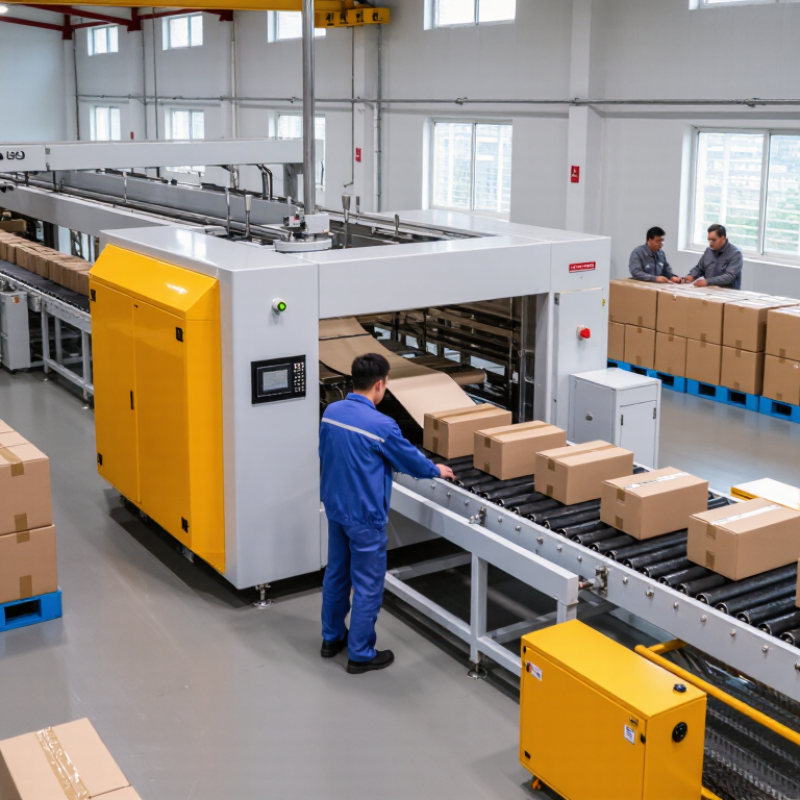
How to Choose the Best Paper Food Box Machine in China?

Define Your Paper Food Box Production Requirements

Before selecting a paper food box machine, define the boxes you actually plan to make. Record each box’s length, width, depth, shape, and intended use. A small takeaway tray and a lidded meal box may need different forming setups. Note the paperboard type and thickness, too. Bring sample sheets or a clear specification; guessing from appearance alone can lead to poor folds or jams.

Estimate realistic output per shift, not just the machine’s advertised maximum speed. Include changeover time, planned cleaning, and the number of operators available. Be specific. For example, will you run one box size for hours, or switch between several sizes each day? Check how quickly tooling can be changed and whether common adjustments are straightforward. Your first estimate may be wrong. That is normal.

Also define your quality limits: acceptable edge alignment, firm corners, clean creases, and a secure base. Ask to test your own board and die-cut blanks, then inspect finished boxes after stacking and handling. Record rejected pieces and material waste during the trial. A fast machine that needs constant correction may not suit your workshop. Consider floor space, power supply, operator experience, and access to spare parts before judging price. These details are easy to overlook.

Compare Paper Food Box Machine Types and Forming Methods

Choosing a paper food box machine starts with the box shape, not its advertised speed. FAO’s Forest Products Annual Market Review 2022–2023 reports global paper and paperboard production of about 401 million tonnes in 2022. That scale reflects a mature material supply, but it does not mean every board grade will run smoothly. Test your actual stock.

Blank-fed folding-and-gluing lines suit rectangular cartons and longer production runs. Press-forming machines heat and shape coated blanks against matched molds, creating defined corners and closed seams. Rotary systems can increase output, while single-station machines may offer simpler changeovers. Real cycle speed depends on board stiffness, coating, and operator loading. Small batches matter. A fast machine can also create more scrap if feeding and alignment are unstable.

Tips: Bring your own paper, including the thickest grade you plan to use. Ask for a timed production trial, then inspect corner folds and seams after stacking. A quick demonstration may hide weak seals or wasted blanks. Speed alone is a poor buying signal; verify forming quality before comparing quotations.

Evaluate Capacity, Materials, Automation, and Operating Costs

A paper food box machine should match your real shift target, not its headline speed. If orders require 30,000 boxes per shift, ask for sustained output using your box size and paper grade. Run a sample with normal operators. Watch jams, rejected folds, and changeover time. Small losses add up.

Material compatibility matters. Record paper weight, blank dimensions, coating, and moisture conditions before comparing machines. A unit that handles one stock well may struggle with another. CEPI’s Key Statistics 2023 reports a 79.3% paper recycling rate in Europe for 2022. That figure is not China’s rate, but it highlights why recyclable paper choices and clean production waste matter. Confirm that forming, gluing, and drying settings suit the intended food-contact packaging.

Automation can reduce repetitive handling, but added sensors and feeding systems also need maintenance. Ask suppliers for a live trial, spare-parts list, and realistic service response times. Calculate operating cost per 1,000 saleable boxes, including labor, electricity, glue, tooling, scrap, and downtime. Check energy use during production, not only the machine’s rated power. I would check twice. One uncomfortable detail: estimates often miss cleaning and changeover losses. Include them anyway.

Check Supplier Expertise, Quality Standards, and After-Sales Support

How to Choose the Best Paper Food Box Machine in China?

Check Supplier Expertise, Quality Standards, and After-Sales Support

A machine may look impressive in a showroom. Ask to see it forming your actual box design instead. Grand View Research’s Paper Packaging Market report estimates a 4.3% compound annual growth rate from 2024 to 2030. That growth makes supplier capability worth checking carefully. Ask how many years the team has built similar machines, and request references from factories producing comparable box sizes and board weights. See it run.

Quality claims need evidence. Request an ISO 9001 certificate, then check its scope and validity. For food-contact applications, ask for material declarations and traceability documents for product-contact components. During a factory acceptance test, inspect box dimensions, fold consistency, glue application, and rejected-piece rates using your own paperboard. Record the test settings. A neat sample alone proves little.

After-sales support can decide whether a small fault becomes a long stoppage. Ask for response-time commitments, spare-parts lists, remote troubleshooting options, and technician training in writing. The 2024 True Cost of Downtime report describes substantial production and revenue losses from unplanned stoppages across manufacturing. It is a broad benchmark, not a paper-box-machine estimate. Still, it makes service planning hard to ignore. I would also ask which wear parts commonly need replacement, though answers may vary with paper quality and operating hours. Small details matter.

How to Choose the Best Paper Food Box Machine in China? — Check Supplier Expertise, Quality Standards, and After-Sales Support
Evaluation Dimension What to Check Evidence to Request Practical Decision Criterion Buyer Score (1–5)
Supplier Expertise Experience building machines for the specific box style, paperboard grade, and production process required. Machine specifications, project references, sample boxes, and a live or recorded production demonstration. Confirm that the demonstrated machine can make the intended box design using comparable material. _____
Production Capacity Rated output, operating conditions behind the rating, changeover time, and expected operating efficiency. A written output specification and a test run using the proposed material and box dimensions. Compare measured output under agreed test conditions, not just the headline maximum speed. _____
Material and Box Compatibility Supported paperboard thickness or grammage, blank dimensions, box styles, and permitted material tolerances. Technical drawings, material range, sample blanks, and samples of finished boxes. Verify the complete production range against the buyer’s actual packaging specifications. _____
Food-Contact Suitability Whether food-contact requirements apply to the finished packaging, coatings, inks, adhesives, and intended use. Material declarations, relevant test reports, and documentation identifying the intended food-contact conditions. Check compliance against the regulations applicable in the destination market; machine documentation alone does not establish packaging compliance. _____
Quality Management How incoming parts, assembly, inspection, nonconformities, and final machine testing are controlled. Quality-control procedures, inspection records, and any current, scope-verified quality-system certificates. Verify certificate validity and scope independently; an ISO 9001 certificate concerns a quality-management system, not product performance by itself. _____
Machine Safety and Electrical Design Guards, emergency stops, electrical protection, operating instructions, and suitability for the installation location. Risk assessment, electrical drawings, safety-device list, manuals, and market-specific conformity documentation where applicable. Confirm applicable safety and electrical requirements with the importer or qualified compliance professional before purchase. _____
Factory Acceptance Test (FAT) Whether acceptance testing is performed before shipment and whether results are measured against agreed requirements. A signed FAT protocol covering output, box quality, changeover, safety checks, and any agreed run duration. Include acceptance criteria, test materials, responsibilities, and corrective-action arrangements in the purchase contract. _____
Spare Parts and Maintenance Availability of wear parts, recommended spares, maintenance intervals, and machine documentation. Spare-parts list with part numbers, maintenance schedule, lubrication instructions, and parts lead times. Confirm critical parts can be identified and ordered without relying on informal descriptions. _____
After-Sales Support Remote troubleshooting, technician availability, training, service hours, and language support. Written service terms, response-time commitments, training plan, and escalation process. Assess support commitments in writing, including what is covered, response channels, and any service charges. _____
Warranty and Commercial Terms Warranty duration, covered components, exclusions, shipping responsibilities, payment terms, and delivery schedule. Draft contract, warranty terms, packing details, and a delivery schedule with clearly defined milestones. Ensure warranty coverage and remedies are specific, documented, and consistent across the quotation and contract. _____
Overall Evaluation Compare suppliers using the same requirements and agreed scoring method. Completed scores, quotations, test results, compliance documents, and service commitments. Score each dimension consistently; investigate missing evidence before making a final selection. _____

Verify Machine Performance Before Making a Purchase

Before choosing a paper food box machine, ask for a production trial using the paperboard you plan to run. Paper thickness, coating, and moisture can change how well blanks fold and seal. Watch the edges. Look for crushed corners, uneven creases, and glue that strings across the box. A neat sample from a short demonstration is not enough; request a sustained run and inspect boxes taken at different times.

Record the actual output rate, rejected-box count, and time needed for a size change. Compare these figures with the machine’s stated capacity, but do not judge performance by speed alone. A fast cycle means little if the finished boxes open at the seams. Ask the operator to show how feeding, forming, and gluing are adjusted, then observe a restart after a brief stop. Small defects matter. Check whether guards are secure, controls are clear, and routine cleaning can be done without awkward access. Request test records and clarify which paper grades were used. One test cannot predict every shift or material batch, and that uncertainty is worth discussing before purchase. A machine may look reliable in a showroom yet need careful adjustment on your actual production floor.

Example acceptance-test results: The chart shows the percentage of successful checks in a 100-cycle trial. Verify feeding, sealing, box dimensions, output consistency, and safety functions using your own materials and production settings before purchase. These illustrative figures are not manufacturer specifications.