What Is the Best Rechargeable Headlamp in 2026?
Choosing the best rechargeable headlamp in 2026 is not just a search for the highest lumen rating. A bright beam can look impressive on a product page, yet feel harsh on a dark trail or drain its battery before a long shift ends. Fit matters too. A lamp that slips when you look down can quickly become more annoying than useful.
This guide looks at the details that shape everyday performance: beam distance and spread, brightness controls, battery life, charging options, weight, and resistance to rain. It also considers how a headlamp behaves during hiking, camping, repairs, and nighttime work. The phrase Headlamp Rechargeable covers many designs, from compact models for a glovebox to stronger lamps built for hours outdoors. They are not interchangeable. Not even close.
Battery claims need context. Runtime often changes with brightness, temperature, and battery condition, so a published maximum should not be treated as a guarantee. A low setting may last much longer, but could leave nearby details hard to see. That trade-off is easy to overlook. A sensible comparison weighs useful light against comfort and dependable operation, rather than chasing one big number. We’ll highlight what to check, where specifications can mislead, and which features are worth prioritizing for your needs. There may not be one perfect pick. The best choice is the one you can wear comfortably, charge easily, and trust for the task at hand.
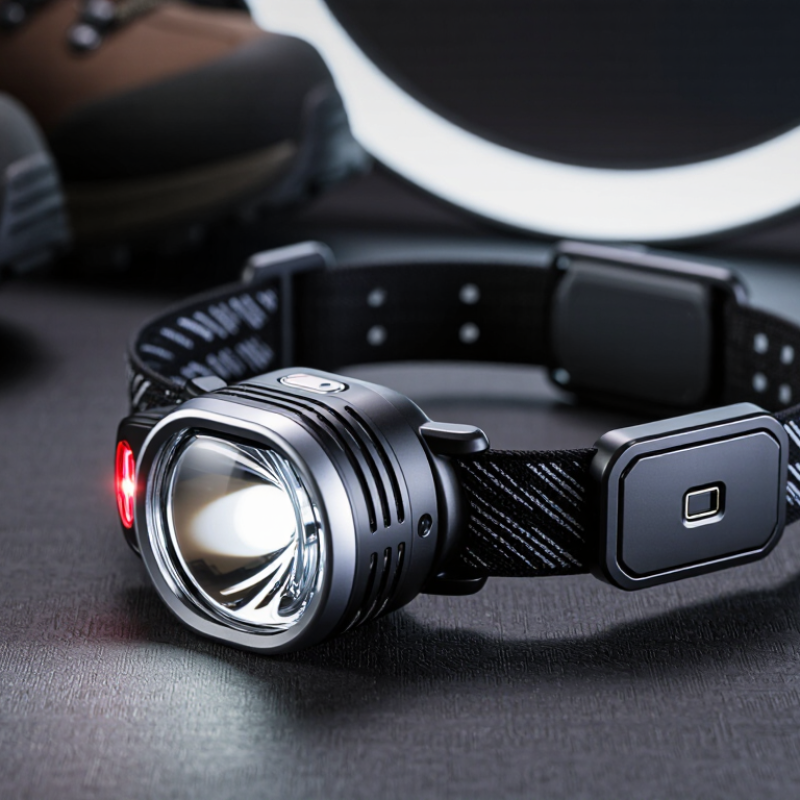
How Rechargeable Headlamps Work
What Is the Best Rechargeable Headlamp in 2026?
How Rechargeable Headlamps Work
A rechargeable headlamp stores energy in an internal battery, often a lithium-ion cell. When switched on, the battery sends electrical current through a small driver circuit to the LED. The driver helps control current, so the light can offer different brightness levels without simply connecting the battery directly to the bulb. A button or sensor changes the setting. Simple, but not magic.
During charging, a cable supplies power to the headlamp’s charging circuit. That circuit manages the flow into the battery, while built-in protection may help prevent overcharging or excessive discharge. Charging time depends on battery capacity, charger output, and the device’s design. Check the manual rather than assuming every USB cable and adapter performs identically.
Brightness and battery life are linked, though not perfectly. A high setting draws more power and can warm the lamp, so some models reduce output as they heat up or lose charge. Cold weather can also shorten usable runtime. In real use, a battery indicator is only an estimate; it cannot promise how many hours remain. I’d test a lamp on a familiar evening walk before relying on it for a longer outing. Even then, the result may differ in colder conditions.
Which Features Matter Most in 2026
In 2026, a useful rechargeable headlamp should balance beam quality, battery life, comfort, and simple controls. Maximum lumen figures can be misleading. A bright burst may last only minutes before the light dims. Check runtime at a practical setting, not just the highest output.
Beam shape matters on a trail or under a sink. A wide, even flood helps with nearby tasks, while a focused center reaches farther along a path. Adjustable brightness prevents glare from bouncing off pale walls or snow. A red-light mode can preserve night vision, though its usefulness depends on the task. Small detail, real difference.
Look for a clear battery indicator and a charging port protected from dust and rain. A credible water-resistance rating is more useful than vague claims of “all-weather” performance. The headband should stay put without pinching, even when you look down or wear a thin cap. Test the controls with gloves if winter use is likely. Also consider whether the battery can be replaced; a sealed design may be lighter, but it can limit long-term repair options. One imperfect measure remains: advertised runtimes rarely match every temperature, brightness level, or battery age. Check the fine print.
How to Compare Brightness, Runtime, and Comfort
The best rechargeable headlamp is not automatically the one with the highest lumen rating. Compare brightness at the setting you will actually use, then check whether the beam lights nearby ground without hiding distant details. A broad beam helps with packing or repairs, while a focused spot can suit a trail. Brightness can feel impressive indoors and harsh outside. More light is not always better.
Runtime figures need context. Check how long the lamp lasts on medium, not only its maximum setting, and look for a clear low-battery warning. Cold weather and high output can shorten a charge, so leave a reserve for the trip back. A useful comparison is a timed test on the same setting, with the same task. Manufacturer figures may use different test conditions. That makes direct comparisons imperfect.
Comfort matters after the first few minutes. Note the lamp’s weight, strap adjustment, and whether the battery presses against your forehead. Try it while looking down, turning your head, and wearing a hat or helmet if needed. Controls should be easy to find with gloves. A lamp that slips or creates a hot spot can become annoying fast. I would still treat a quick fit check as only a starting point; a longer wear test can reveal pressure you missed.
What Is the Best Rechargeable Headlamp in 2026?
Compare brightness with estimated runtime to see the trade-off between a brighter beam and longer use.
How to read this: Runtime is a calculated estimate, not a product test. It assumes a 7.4 Wh battery, 80% usable energy, and 100 lumens per watt. Actual runtime depends on the headlamp’s battery, electronics, heat management, and output regulation. For comfort, compare weight, balance, and headband adjustability in person.
Which Headlamp Type Fits Each Activity
A rechargeable headlamp should fit the movement, not just promise the brightest beam. For night running, choose a light, stable design with a wide near-field beam; bouncing shadows make roots and curbs harder to read. A narrow spot suits route finding on open trails, but can leave nearby ground dark. That trade-off matters. The Outdoor Foundation’s 2024 Outdoor Participation Trends Report counted 175.8 million U.S. participants in outdoor recreation during 2023, a reminder that “outdoor use” covers very different conditions.
For hiking, a mixed flood-and-spot beam helps with both close footing and distant trail markers. Backpackers benefit from a rechargeable model with clear battery indicators and a practical low setting, since cold conditions can reduce battery performance. Climbers and cyclists should prioritize a secure fit that stays put during movement; for camp chores or repairs, a broad, comfortable beam usually beats extra distance. ANSI/PLATO FL 1 defines runtime as the time until output falls to 10 percent of its initial level, so compare test conditions, not just advertised hours. I still find runtime claims easy to misread. Carrying a small backup light is sensible on remote trips, even with a fresh charge.