China has become a critical sourcing destination for fast PCB prototyping, especially when engineers need functional boards within days, not weeks. Grand View Research estimated the global printed circuit board market at about USD 89.7 billion in 2023. Its forecast also indicates continued growth through 2030. Prismark’s industry data consistently shows China holding the largest share of global PCB production. The scale is significant, but scale alone does not guarantee reliable prototypes.
As long-time PCB industry analyst Dr. Hayao Nakahara has observed, “China is the largest PCB manufacturing base in the world.” That position supports strong material availability, dense supplier networks, and competitive production capacity. It also creates a difficult selection problem. A supplier may promise 24-hour delivery, yet overlook impedance control, solder-mask registration, or final electrical testing. A low quote is not always a fast quote.
This guide examines China’s top 10 fast PCB prototyping suppliers through practical purchasing criteria. These include prototype lead time, multilayer capability, HDI experience, DFM feedback, certification, inspection records, and export support. IPC standards and documented quality systems provide useful reference points, but supplier performance still requires verification. Ask for stack-up details. Request sample inspection reports. Check whether urgent orders receive real engineering support.
No ranking is perfect. Delivery speed can change with material shortages, board complexity, and shipping conditions. The strongest supplier is not simply the cheapest or fastest. It is the partner that delivers a tested board, with clear communication, traceable quality, and fewer surprises.
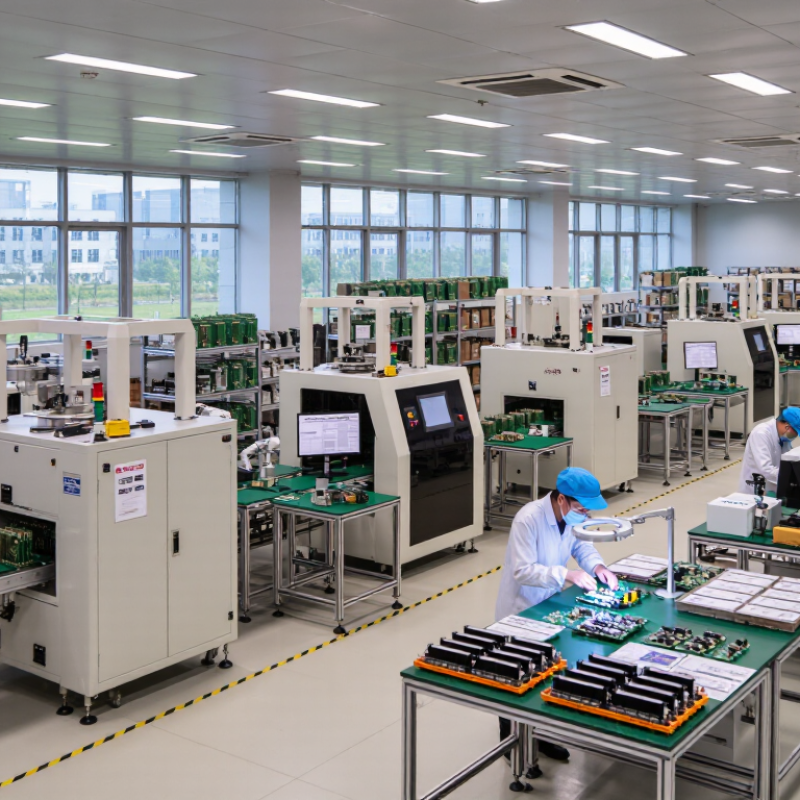
Choosing China’s top 10 fast PCB prototyping suppliers requires more than comparing quoted prices. The critical question is whether each supplier can deliver 24–72-hour prototypes without weakening IPC-6012 requirements. IPC-6012 addresses materials, fabrication, testing, and acceptance criteria for rigid printed boards. It does not automatically guarantee reliable performance. A capable supplier should confirm board class, copper thickness, dielectric structure, drill tolerance, surface finish, and electrical testing before production.
In practical evaluations, request a sample stackup and a clear engineering review record. Check whether impedance reports, microsection images, solderability results, and inspection data are available. Fast production is useful only when documentation supports it. A rushed prototype may arrive quickly, yet fail during assembly because hole sizes or solder mask clearances were misunderstood. That happened in one project I reviewed. The drawing was correct, but the interpretation was not.
Tips: Send complete Gerber files, drill files, stackup details, and controlled-impedance notes together. Ask for a manufacturability review before payment. Confirm when the clock starts: quotation approval, file acceptance, or payment receipt. Also verify weekend handling, remake policies, and shipping estimates. Speed can reveal planning mistakes. Leave time for one revision, especially when testing fine-pitch components or dense multilayer designs. A dependable supplier should explain limitations honestly, rather than promise every prototype in 24 hours.
China’s top 10 fast PCB prototyping suppliers are best compared through practical production data, not advertising claims. This ranking weighs four factors: unit cost, minimum order quantity, supported layer count, and delivery speed. Low-cost suppliers may quote around 2–5 USD for simple two-layer prototypes, while advanced multilayer boards cost more. MOQ can range from one board to small production batches. Delivery commonly takes 3–10 working days, depending on drilling, impedance control, and surface finish.
Layer capability also changes the ranking. Two-layer boards suit basic controllers and sensor circuits. Six-layer or eight-layer boards support denser designs but require stronger engineering review. Fast delivery sounds attractive, yet rushed fabrication may increase solder-mask defects or inspection pressure. In my experience, reliable suppliers provide stack-up details, test reports, and clear revision records before production. Their communication is not always perfect, and that matters when design files change overnight.
Tips: Ask for one prototype quotation and one repeat-order quotation. Compare both. Confirm the real MOQ, not only the sample price. Request delivery dates for your exact layer count and finish. Check whether electrical testing is included. A supplier that admits a limitation can be safer than one promising everything. Also review packaging, because bent panels and damaged edges can erase a fast delivery advantage.
| Rank | Supplier Profile | Typical Prototype Cost* | Minimum Order | Supported Layers | Standard Prototype Lead Time | Expedited Option | Typical PCB Types | Best Suited For |
|---|---|---|---|---|---|---|---|---|
| 1 | Fast-turn prototype specialist | US$5–30 | 5 pieces | 1–12 layers | 24–72 hours | Same-day or 24-hour service for selected designs | FR-4, single-sided, double-sided, multilayer | Quick functional checks and early engineering samples |
| 2 | Low-volume online prototype supplier | US$5–35 | 5–10 pieces | 1–16 layers | 2–4 working days | 24–48 hours on standard board specifications | FR-4, lead-free HASL, ENIG, multilayer | Startups, makers, and small engineering teams |
| 3 | High-mix, low-volume PCB manufacturer | US$15–60 | 5 pieces | 1–20 layers | 3–5 working days | 48–72 hours after engineering review | FR-4, high-Tg, impedance-controlled multilayer | Industrial controls and design verification |
| 4 | Prototype and small-batch assembly supplier | US$20–80 | 10 pieces | 1–14 layers | 3–6 working days | Available for simple two-layer boards | FR-4, SMT-ready boards, mixed-technology designs | Prototype builds requiring PCB assembly support |
| 5 | Controlled-impedance prototype supplier | US$30–100 | 5–10 pieces | 2–24 layers | 4–7 working days | 3–5 working days for approved stackups | High-speed FR-4, multilayer, impedance-controlled | Networking, computing, and embedded hardware |
| 6 | Flexible and rigid-flex prototype supplier | US$50–180 | 5 pieces | 1–10 layers | 5–8 working days | Limited; depends on material availability | Flexible PCB, rigid-flex, polyimide circuits | Wearable, compact, and moving-product applications |
| 7 | Metal-core and thermal-management specialist | US$30–120 | 5–10 pieces | 1–6 layers | 4–7 working days | 48–72 hours for aluminum single-layer boards | Aluminum MCPCB, copper-core, LED boards | Lighting, power conversion, and heat-sensitive products |
| 8 | High-reliability multilayer prototype supplier | US$60–220 | 10 pieces | 4–30 layers | 6–10 working days | Usually unavailable for complex multilayer boards | High-Tg, low-loss, multilayer, backplane designs | Automotive, aerospace, and demanding industrial designs |
| 9 | Fine-pitch HDI prototype supplier | US$80–300 | 5–10 pieces | 4–18 layers | 7–12 working days | Available only after DFM and stackup approval | HDI, microvia, fine-pitch BGA, sequential buildup | Smart devices and space-constrained electronics |
| 10 | Prototype-to-production transition supplier | US$25–100 | 10 pieces | 1–24 layers | 5–9 working days | 3–5 working days for repeat designs | FR-4, multilayer, impedance-controlled, assembly-ready | Products moving from prototype to pilot production |
When comparing China’s top fast PCB prototyping suppliers, speed is only one measurement. A reliable evaluation starts with IPC-A-600 acceptance criteria. Inspectors should check conductor width, pad quality, solder mask coverage, and plated-hole condition. Clear photographic records make these checks easier to verify.
DFM capability reveals how a supplier prevents avoidable delays. Engineers should review stack-up design, impedance requirements, drill limits, copper balance, and spacing before production. A useful supplier does not simply accept files. It identifies weak vias, narrow clearances, or unnecessary fabrication risks. In practice, a 24-hour quotation means little if engineering questions arrive after the order is placed.
Electrical testing provides another practical filter. Flying-probe testing suits small prototype batches, while fixture testing can support repeated production. Test reports should identify continuity, isolation, impedance, and failed-net results. Ask whether test data connects to the actual board serial number. That detail matters.
I have seen fast prototypes pass visual inspection but fail during power-up. The missing issue was not always manufacturing quality; sometimes the design lacked adequate review. No checklist is perfect. Comparing suppliers through IPC-A-600 evidence, documented DFM feedback, and traceable electrical testing creates a more realistic ranking than price or promised turnaround alone.
What Are China Top 10 Fast PCB Prototyping Suppliers?
A serious top-ten comparison should measure more than advertised delivery speed. For 1–5-day PCB prototypes, I would request identical Gerber files from each supplier. The test should include two-layer and four-layer boards, fine traces, plated holes, and tight registration areas. Actual dispatch time matters more than a website promise. Ask when engineering review starts, when production begins, and whether weekends count.
Material options also reveal process maturity. Reliable suppliers should identify laminate grades, dielectric thickness, copper weight, and controlled-impedance capability. Common prototype needs include standard FR-4, high-Tg materials, aluminum substrates, and low-loss laminates. Surface finishes may include HASL, lead-free HASL, ENIG, immersion silver, or OSP. Each choice affects solderability, flatness, storage life, and cost. ENIG often suits fine-pitch assembly, but it deserves careful thickness control.
Quality yield needs measurable evidence. Request first-pass yield, electrical-test coverage, drill accuracy, solder-mask registration, and documented corrective actions. A fast board with open circuits is not fast. Ask for cross-section images or inspection records when the design is demanding. The comparison is imperfect because suppliers may calculate yield differently. That matters. I would also score packaging, communication, revision control, and replacement policies. One overlooked detail is prototype quantity; a supplier may meet one board in two days but miss a fifty-board build. Independent test panels and consistent sample designs make the ranking more credible.
A top-ten PCB prototyping shortlist should begin with evidence, not production speed. The ISO Survey 2023 recorded 1,265,216 ISO 9001 certificates worldwide. Certification alone proves little. Ask for the certificate scope, issuing body, expiry date, and audited site address. The certificate must cover PCB fabrication, not only general trading activities.
Traceability should reach the finished panel. Request lot numbers for laminate, copper foil, solder mask, chemicals, and operators. A useful digital record links each panel to AOI images, impedance results, drill data, and final inspection. IPC-6012 and IPC-A-600 provide recognized acceptance frameworks for rigid boards. Still, a supplier may meet a standard during an audit and miss a detail later. That uncomfortable possibility deserves attention.
Test reports should identify methods, equipment numbers, calibration dates, and actual readings. Look for microsection images, dielectric thickness, surface finish data, solderability results, and electrical test coverage. Generic “pass” statements are weak evidence. Customer support also needs measurable standards. Set a 24-hour engineering response target, weekly build updates, and an 8D report for major defects. Ask how complaints are logged and tracked through corrective action. A 2023 industry quality report from ASQ linked stronger quality cultures with better customer outcomes, but quality culture is difficult to verify from a sales call. Speak with recent customers, review redacted reports, and test the support process before placing a complex prototype order.