How to Choose Photovoltaic Connectors for Your Solar System?
Choosing the right Photovoltaic connectors for a solar system is crucial for efficiency and safety. Expert Sarah Johnson, a leading figure in solar technology, states, “The integrity of your solar system relies heavily on quality connectors.” This highlights the importance of selecting the right components for optimal performance.
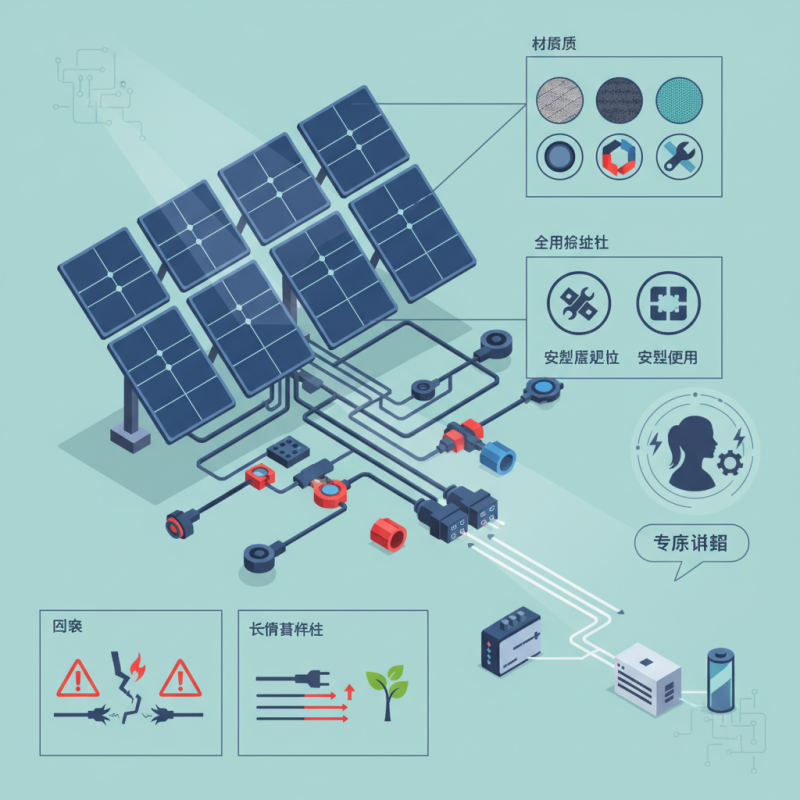
Photovoltaic connectors are not just simple links; they're vital for the entire system's function. They ensure energy flows smoothly from panels to inverters and batteries. Poor-quality connectors can lead to energy loss or even fire hazards. It’s essential to assess materials, compatibility, and ease of installation.
Many people overlook the significance of these small parts. They might think all connectors are similar, but they are not. Some connectors are better suited for harsh environments than others. Choosing wisely impacts not just efficiency but also longevity. A wrong choice can lead to costly mistakes in the long run.
Understanding the Basics of Photovoltaic Connectors
Photovoltaic connectors play a vital role in solar systems. They link solar panels, ensuring efficient energy transfer. Understanding their types and specifications is key. There are various types available, and not all are suitable for every setup. For instance, some connectors are designed for high voltage, while others are better for high current. Choosing the wrong type could lead to inefficiencies or even system failure.
The materials used in connectors also matter. Many connectors are made from durable plastics and metals. These materials affect performance and lifespan. Connections should resist corrosion, especially in harsh weather. However, some connectors may not perform well in extreme temperatures. It’s essential to check compatibility with your solar panel and inverter. Consider the environment where they will be installed.
A common mistake is overlooking the rated current and voltage. This oversight can lead to overheating or component damage. Paying attention to these details can prevent costly repairs. It's beneficial to do thorough research to find the right connectors. Sometimes, it’s worth consulting experts. There's always room for improvement in understanding connector choices. A careful approach ensures a more reliable and efficient solar system.
Types of Photovoltaic Connectors and Their Applications
When choosing photovoltaic connectors, understanding their types is essential. There are several types available, each serving different applications. MC4 connectors are prominent in the market. They ensure secure connections and are weather-resistant. These features make them suitable for outdoor solar installations. Another common type is the TY connector. It's known for its ease of use, especially in residential setups. This connector simplifies the process of installing solar panels.
Additionally, some systems use junction box connectors. They connect solar panels to the inverter efficiently. These connectors often feature robust insulation, which helps avoid moisture issues. Users should remember that while many connectors may function similarly, quality varies significantly. Choosing lower-quality connectors can lead to potential failures. Issues may arise over time, such as corrosion or loss of efficiency, which could disrupt solar energy generation. Proper attention to detail in selecting connectors can greatly affect the overall performance of the solar system.
Key Factors to Consider When Selecting Connectors
When selecting photovoltaic connectors for your solar system, consider a few key factors. The first aspect is compatibility. Ensure that the connectors work well with your solar panels and inverters. They should match not just in size but also in performance specifications. Mismatches can lead to inefficiencies in energy transfer.
Another important factor is the environmental rating. Photovoltaic connectors should be weather-resistant. Look for connectors that can withstand extreme temperatures, humidity, and UV exposure. This ensures long-lasting performance. In some cases, connectors might wear out faster than expected. Regular checks can prevent potential failures.
Tips: Always validate the quality standards of these connectors before purchasing. Verify if they meet safety certifications. A small investment in reliable connectors can save you from costly repairs later. Additionally, evaluate if the connectors are easy to install. Complicated setups might lead to improper connections, causing operational issues. Simplifying the installation process can make a big difference.
Evaluating the Environment and Conditions for Connector Use
When selecting photovoltaic connectors, it's crucial to assess the environment they're used in. The geographical location significantly impacts connector performance. Humidity, temperature, and exposure to sunlight can deteriorate materials over time. If a connector is in a high-humidity area, it may suffer corrosion. Additionally, if the temperature fluctuates widely, thermal expansion might cause failures.
Moreover, consider the installation site. If the connectors are outdoors, they must withstand harsh weather. Rain, snow, and wind can all affect their life span. Connectors should have a good sealing mechanism to prevent moisture ingress. In contrast, connectors used in indoor systems might not require such rigorous standards. Still, it's essential to think about dust and other pollutants.
Some users overlook maintenance needs. Regular inspections can reveal early signs of wear. Connectors might look fine at a glance, but internal degradation can occur. Ignoring these aspects could lead to costly repairs later. Choosing the right connectors involves not only understanding specifications but being mindful of environmental factors. The conditions they face will dictate their long-term reliability.
How to Choose Photovoltaic Connectors for Your Solar System?
| Connector Type | Material | Temperature Range (°C) | Water Resistance | UV Resistance |
| MC4 Connector | Polymer | -40 to 90 | IP67 | Yes |
| Amphenol H4 Connector | Thermoplastic | -40 to 85 | IP68 | Yes |
| SolarLok Connector | PVC | -40 to 85 | IP65 | Yes |
| Zynergy Connector | Rubber | -40 to 90 | IP67 | Yes |
Best Practices for Installing and Maintaining Photovoltaic Connectors
When installing photovoltaic connectors, attention to detail is crucial. Each connector plays a role in energy transfer efficiency. Check the connectors frequently for signs of wear or corrosion. Regular inspection can prevent costly failures. Even a small oversight can lead to significant energy loss.
Maintenance is about more than just checking connections. Ensure proper sealing to prevent moisture intrusion. Moisture can corrode connectors and lead to failure. Use protective covers when connectors are not in use. This small step can extend the life of your system.
Think about the installation process. Sometimes, improper alignment occurs. This can stress the connectors and cause problems over time. Pay attention to the manufacturer’s guidelines. Following those instructions can save time and money later. Engaging in routine maintenance ensures your solar system remains effective and reliable.
Monthly Solar Energy Production Comparison (kWh)