Best Electric Water Heater Solutions for Your Home Needs?
Choosing the right Electric Water Heater is crucial for home comfort and efficiency. Renowned expert in HVAC systems, Dr. Emily Tran, emphasizes this by stating, "Selecting the best Electric Water Heater makes all the difference in energy savings." Her insight reveals that not all heaters are created equal.
Many homeowners overlook their specific heating needs. Electric Water Heaters come in different sizes and specifications. Understanding your requirements is vital. Installation and maintenance also play significant roles in performance and lifespan.
Researching products can feel overwhelming. Options range from tankless models to traditional storage heaters. Each has its pros and cons, and careful evaluation is essential. Small mistakes in selection can lead to inefficiency. Prioritize factors like energy consumption and warranty. Reflect on your long-term needs. This way, you ensure a choice that balances performance, cost, and sustainability.
Understanding Electric Water Heaters: Types and Technologies
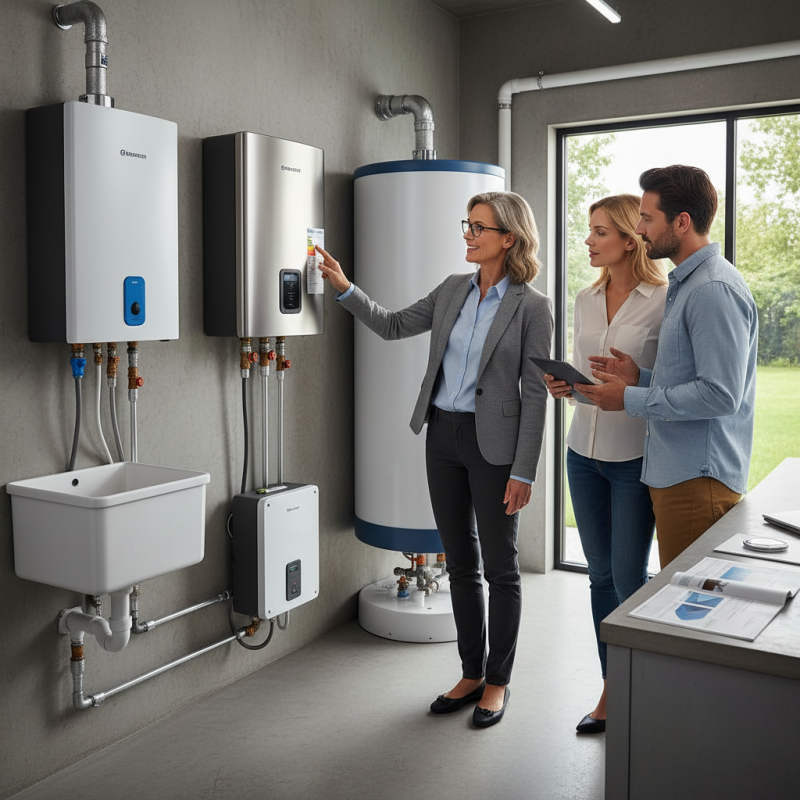
Electric water heaters are essential for modern homes. Understanding their types and technologies can help you choose the right one. There are primarily two types of electric water heaters: tank and tankless. Tank heaters store hot water, providing a ready supply. They take up more space and can run out of hot water during heavy use. Tankless heaters, however, heat water on demand. They are more energy-efficient but may have limitations during peak usage times.
Another factor to consider is energy efficiency. Some electric water heaters come with advanced technology like heat pump systems. These systems move heat rather than generating it, saving energy. However, these may require a larger upfront investment and space considerations.
Installation is also critical. Hiring a professional ensures safety and efficiency. DIY installation may seem tempting, yet improper setup could lead to issues like leaks or malfunctions. Each type of heater has its pros and cons, leaving room for reflection. Take time to evaluate your hot water needs carefully. Make informed decisions to maximize comfort and efficiency in your home.
Key Features to Consider for Optimal Home Efficiency
When selecting the best electric water heater for your home, efficiency is key. Look for models with high energy factors, indicating better energy use. This will lower your bills while providing sufficient hot water.
Consider the size of the unit. A smaller household needs less capacity. Oversized heaters waste energy and money. Aim for a unit that matches your needs, avoiding unnecessary costs.
Tips: Regular maintenance keeps your heater running efficiently. Check for sediment build-up and flush the tank annually. Consider insulating the pipes to reduce heat loss. These small actions can lead to noticeable improvements in performance.
Lastly, think about recovery rates. This is the speed at which a heater can produce hot water after running out. A high recovery rate is beneficial for larger families. Choosing the right features can significantly impact your home's comfort and efficiency.
Cost Analysis: Pricing Factors for Electric Water Heaters
When considering electric water heaters, various pricing factors come into play. Installation costs are significant. A typical installation ranges from $500 to $1,500, depending on location and complexity. Additional plumbing or electrical work adds to this expense.
The type of electric water heater impacts overall costs. Tankless models tend to be pricier upfront. They usually cost between $800 and $3,000. However, they may offer long-term savings on energy bills. According to the U.S. Department of Energy, tankless heaters can be 24% to 34% more energy-efficient than traditional models.
Maintenance is another overlooked cost factor. Regular maintenance can extend the lifespan of electric water heaters. Routine checks can prevent larger issues, reducing long-term expenses. Neglecting this may result in costly repairs. Surveys indicate that homeowners often underestimate these ongoing costs, affecting budgeting decisions. Understanding these factors enables better investment decisions for your home's heating needs.
Energy Efficiency Ratings: Understanding the Importance of EER and UEF
When selecting an electric water heater, understanding Energy Efficiency Ratings (EER) and Uniform Energy Factor (UEF) is crucial. These ratings indicate how efficiently a water heater operates. A higher EER and UEF mean lower energy usage and costs. They also help reduce environmental impact. Many homeowners overlook these ratings, often focusing solely on price.
Tips for choosing the right model:
Always check the UEF rating on the appliance. Models with higher ratings generally save more energy in the long run. Consider your household's water usage and choose a capacity that meets your needs. Don’t buy an oversized unit; it may lead to inefficiencies.
Remember, not every heater meets the high standards of efficiency. Some older models can guzzle energy, causing higher bills. If you're unsure about your current heater's efficiency, it might be time for an upgrade. Evaluate your options carefully and keep energy-saving features in mind. Small changes can lead to significant savings.
Maintenance Tips to Extend the Lifespan of Your Electric Water Heater
An electric water heater is a valuable addition to any home. Ensuring it functions well over time requires proper maintenance. Regularly inspecting the heater's condition is crucial. Look for signs like leaks or unusual noises. These indicators can help catch problems early on.
Flushing the tank is another essential step. Sediment can build up, leading to decreased efficiency. Aim to flush the tank at least once a year. This process helps maintain heating efficiency and extends the life of the unit. Additionally, checking the anode rod every few years is beneficial. A corroded rod can lead to rust and deterioration, impacting performance.
Remember to set the thermostat to a safe temperature. Overheating can lead to wear and tear. A setting of 120 degrees Fahrenheit is often ideal. Small adjustments can make a significant difference. Lastly, do not ignore the importance of professional inspections. A technician can provide insights that homeowners might miss. Taking these steps can ensure your electric water heater serves you well for many years.
Best Electric Water Heater Solutions for Your Home Needs? - Maintenance Tips to Extend the Lifespan of Your Electric Water Heater
| Feature | Description | Maintenance Tips | Estimated Lifespan |
| Tank Capacity | Available in various sizes such as 20, 30, 40, and 50 gallons | Regularly check and flush the tank | 10-15 years |
| Energy Efficiency | Look for models with high energy factor ratings | Insulate pipes and the tank to reduce heat loss | Up to 20 years with proper maintenance |
| Heating Element | Employs electric heating elements for fast heating | Test and replace malfunctioning heating elements | 5-10 years |
| Safety Features | Includes thermostats and leak detectors | Regularly inspect safety valves and pressure relief systems | Varies by model and usage |
| Installation Type | Can be installed as standalone or point-of-use | Ensure proper installation for efficiency | Long-term if maintained |