
Blog

What Is a Fire Pump Supplier and How Do You Choose One?

Choosing a Fire Pump Supplier is a critical step in building a dependable fire-protection system. The right partner helps match pump performance to the building’s water supply, required flow, and pressure—not merely to a line in a catalog. A mismatch can become obvious only during testing, when gauges move, valves open, and the system must deliver its rated performance. Small details matter.

“Select the pump as part of the system, not as a stand-alone product.” This is an original editorial principle, not a verified quotation from a named expert. I can’t responsibly attribute it to an industry professional without a reliable source. A qualified supplier should be able to explain pump curves, controller options, documentation, commissioning support, and replacement parts in clear terms. Ask who will answer when a question arises after installation. A polished brochure is useful, but it cannot replace practical support.

This guide explains what a Fire Pump Supplier does and how to assess one with care. It covers technical capability, product traceability, service coverage, and the questions worth asking before requesting a quotation. Compare more than price. Check whether proposed equipment fits the project specifications, and request written confirmation where details remain uncertain. Even experienced buyers can overlook something. That is worth admitting—and checking before the order is placed.
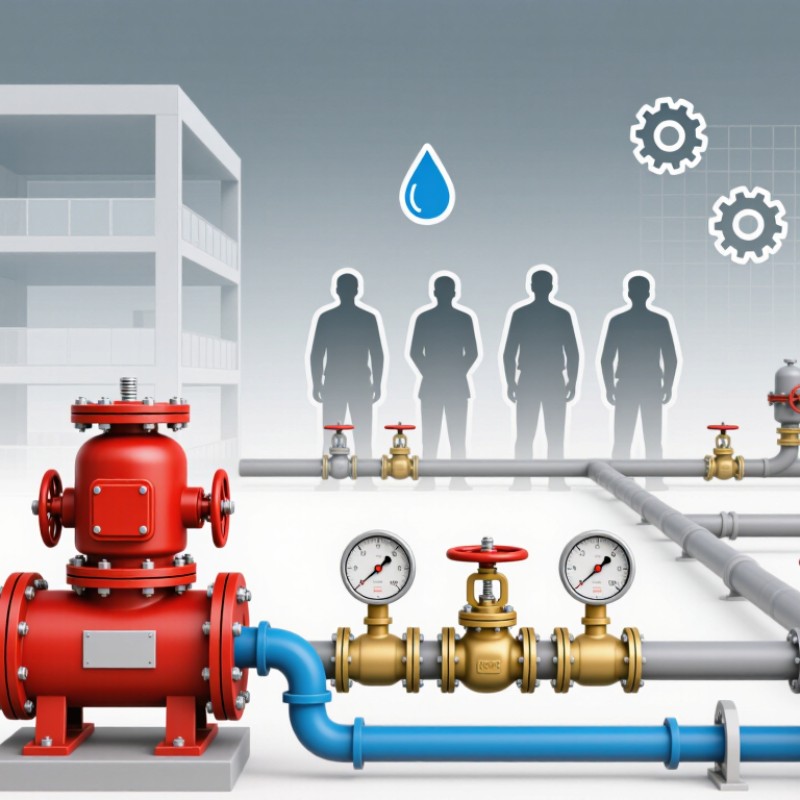
What Is a Fire Pump Supplier and How Do You Choose One?

What a Fire Pump Supplier Provides

A fire pump supplier provides more than a pump. A capable supplier helps match the pump, driver, controller, and accessories to a building’s water supply and fire-protection design. The process may include reviewing flow and pressure requirements, checking pump curves, and coordinating factory testing and site commissioning. NFPA’s Fire Loss in the United States During 2023 estimated 1.39 million fires and $23.2 billion in direct property damage. These figures show why dependable fire protection equipment matters, though they do not predict risk at any one site.

A supplier should provide clear submittal documents, test records, installation guidance, and a practical maintenance schedule. Ask how the team handles replacement parts and technical questions after delivery. Confirm that proposed equipment aligns with the project specifications and applicable standards, including NFPA 20 where required. The supplier can support the design, but the project engineer remains responsible for confirming system requirements. Details get missed. A suction-pipe constraint or an overlooked site condition can change the selection.

Tips: Request a written scope that lists pump performance, driver type, controller, testing, commissioning support, and exclusions. Compare the offered pump curve with the design duty point, not just the nameplate rating. Ask for sample test documentation. If an answer is vague, pause and verify it with the project engineer before ordering.

How Fire Pump Suppliers Support System Design and Compliance

A fire pump supplier can help turn a building’s protection requirements into a workable system design. They review the required flow and pressure, available water supply, building height, and pump-room constraints. A useful supplier checks the proposed operating point against the pump curve, rather than selecting equipment from flow figures alone. They can also coordinate with the fire protection engineer on piping layouts, controllers, drivers, and system interfaces. Small details matter. A narrow doorway or awkward drain location can complicate installation later.

Suppliers also support compliance by providing equipment data, certified performance information, installation guidance, and test documentation. These materials help the design team check applicable codes and standards adopted by local authorities. During commissioning, recorded flow and pressure readings can show whether the installed pump performs as intended. The supplier can advise, but should not replace the engineer of record or the authority having jurisdiction. Drawings may look precise; actual site conditions sometimes disagree. That gap deserves a second look.

Tips: Share current water-supply test results, building plans, and operating requirements early. Ask how the proposed pump meets the required duty point, and request clear documentation for review. Keep records. Check that testing arrangements and maintenance access are practical before the pump room is finalized.

Common Types of Fire Pumps and Supplier Specialties

Fire pumps differ by water source, flow demand, and installation space. Horizontal split-case pumps suit high flows and allow access to internal parts. End-suction units often fit smaller mechanical rooms. Vertical turbine pumps draw from wells or tanks, while in-line models save floor space. Positive-displacement pumps serve specialized duties, such as proportioning foam concentrate. Not every site needs every type.

Supplier specialties matter as much as pump design. Some suppliers engineer packaged systems with drivers, controllers, and piping; others focus on testing, commissioning, or replacement parts. NFPA 20-2022 addresses stationary fire-pump installation, including pumps, drivers, and controllers. Ask a supplier to explain how its proposed equipment matches your pressure curve and water supply. Details matter. A polished cut sheet cannot reveal a poor fit.

The NFPA report U.S. Experience with Sprinklers found sprinklers operated in 92% of fires where they were present and conditions were sufficient to activate them; they were effective in 96% of those operations. That makes compatibility between the pump and the wider sprinkler system worth checking. Request witnessed test results, service coverage, and clear maintenance guidance. I would also inspect the proposed test setup in person. Paperwork can look complete and still leave practical questions.

Common Fire Pump Rated Capacities

Standard nominal capacity options listed in NFPA 20 (US gallons per minute).

Fire pump suppliers may specialize in electric or diesel-driven systems and designs such as horizontal split-case, end-suction, or vertical turbine pumps. Choose a supplier that can match the required flow and pressure to project-specific hydraulic calculations, installation conditions, applicable codes, and ongoing service needs. Listed capacity options do not mean every pump design is available at every rating.

How to Evaluate a Fire Pump Supplier

Evaluating a fire pump supplier starts with evidence, not polished claims. Ask for pump curves showing flow, pressure, and efficiency across your system’s expected operating range. Compare the proposed duty point with project drawings and calculated demand. A curve that looks convincing at one point may hide poor performance elsewhere. Request test records tied to the actual pump model and configuration. Verify required certifications and local code suitability with the project engineer or relevant authority; requirements vary by location.

Look beyond the equipment. Can the supplier explain suction conditions, driver selection, controller compatibility, and water supply limits in plain language? Good answers should match site facts, not generic brochures. Request installation guidance, commissioning support, training, and a written spare-parts plan. Ask how quickly technicians can respond and whether common seals, bearings, or sensors are stocked nearby. Speak with operators at comparable facilities. Real feedback can reveal details missing from a proposal. Check references carefully. I would also document uncertainties; even experienced suppliers can overlook a site constraint, and a confident tone is not proof. A clear scope, recorded tests, and defined responsibilities make proposals easier to compare.

What Is a Fire Pump Supplier and How Do You Choose One? — How to Evaluate a Fire Pump Supplier
Evaluation Area Suggested Weight What to Evaluate Evidence to Request or Verify Score (1–5)
Applicable codes and product approvals 20% Confirm the proposed pump package is suitable for the project’s adopted codes, authority requirements, and specified approval status. Applicable code and edition identified; documentation for any required listing or approval verified against the exact model and configuration. UL listing or FM approval should be confirmed where the project requires it. _____
Hydraulic selection and system fit 15% Check that the selected pump meets the required flow and pressure conditions and is appropriate for the system’s water supply and operating requirements. Selection curve and duty point supplied; required flow, pressure, suction conditions, driver capacity, and operating range reviewed by the project’s qualified fire-protection professionals. _____
Package configuration 10% Review the proposed pump, driver, controller, base, accessories, and interfaces as a coordinated package. Itemized scope identifies included equipment, electrical and piping interfaces, control requirements, accessories, and any exclusions or by-others work. _____
Quality assurance and traceability 10% Assess how the supplier controls manufacturing quality and identifies the equipment delivered for the project. Documented inspection and quality processes; equipment identification and serial-number traceability; clear process for recording and resolving nonconformities. _____
Factory testing and acceptance support 10% Establish what tests are included, how results are recorded, and whether witness or acceptance testing can be supported. Written test scope and reporting format; agreed test parameters; arrangements for any specified witness testing and site acceptance testing. _____
Technical documentation 10% Determine whether the supplier will provide the information needed for review, installation, operation, inspection, and maintenance. Submittal data, certified drawings where specified, pump curves, wiring information, installation instructions, operating manuals, and maintenance schedules. _____
Delivery and project coordination 5% Evaluate whether the proposed schedule and communication process align with the project’s procurement and installation milestones. Written lead-time estimate, delivery assumptions, milestone plan, shipping responsibilities, and a named point of contact for schedule updates. _____
Installation and commissioning assistance 8% Clarify the level of technical support available during installation, startup, and commissioning. Defined scope, availability, and fees for field assistance; startup checklist; clear division of responsibilities among supplier, installer, and project team. _____
Parts, service, and ongoing support 7% Check how service requests and replacement-parts needs will be handled over the expected operating life of the equipment. Parts identification process, service contact route, stated support coverage, warranty terms, and any response-time commitments documented in writing. _____
Commercial clarity 5% Compare proposals on a consistent scope and identify cost, warranty, and contractual assumptions. Itemized quotation; stated exclusions, freight, taxes, payment terms, warranty coverage, and pricing for optional services or accessories. _____
Total 100% Suggested weighted result: add each criterion’s weight × score ÷ 5. Use the same scoring method and project requirements for every proposal. _____ / 100

Scoring guide: 1 = significant gaps; 2 = below requirements; 3 = meets stated requirements; 4 = exceeds requirements with clear evidence; 5 = strong, well-documented evidence. Confirm code, approval, and acceptance requirements with the authority having jurisdiction and the project’s qualified fire-protection professionals.

How to Verify Supplier Credentials, Service, and Support

A fire pump supplier does more than quote equipment. A dependable supplier can document product specifications, manufacturing traceability, and relevant testing. Ask for current certificates, the issuing body, and the scope they cover. Check that the proposed pump, driver, controller, and accessories match project documents and applicable fire codes. Ask to see records. A certificate alone does not prove the selected configuration fits your site.

Verify practical capability, too. Request references for installations with similar flow, pressure, water supply, and building conditions. Ask who handles commissioning and which readings they record, such as suction pressure, discharge pressure, and controller alarms. Confirm technicians’ training and whether you receive service reports after each visit. Paperwork can look reassuring, but it is not the whole story. One reference call may reveal more than a polished brochure.

Service terms should be specific: response hours, emergency coverage, inspection frequency, spare-parts availability, and escalation contacts. Clarify exclusions, including travel, consumables, or work by other contractors. Ask how parts are identified and how long common items typically take to arrive. If support depends on one technician, ask about backup coverage and handover records. Even a careful checklist can miss site-specific details, so have the fire-protection engineer review it before making a decision.