What is a Micro Switch and How Does It Work?
micro switches are essential components in various devices, providing reliable and precise control. According to a report by Market Research Future, the global micro switch market is expected to reach $2 billion by 2025, driven by increasing demand in automotive and industrial applications.
Expert Martin Delgado, a prominent figure in switch technology, notes, “Micro switches are the backbone of automation.” His emphasis on automation illustrates their crucial role across industries.
Micro switches work through a simple mechanism. They utilize a spring-loaded lever, allowing them to operate with minimal physical force. This efficiency can sometimes be overlooked, leading to equipment challenges. For manufacturers and users, understanding micro switches is key to improving product reliability. Proper application ensures smoother operation, yet many still underestimate their importance. The industry often reflects on issues that arise from improper usage, reiterating the need for education.
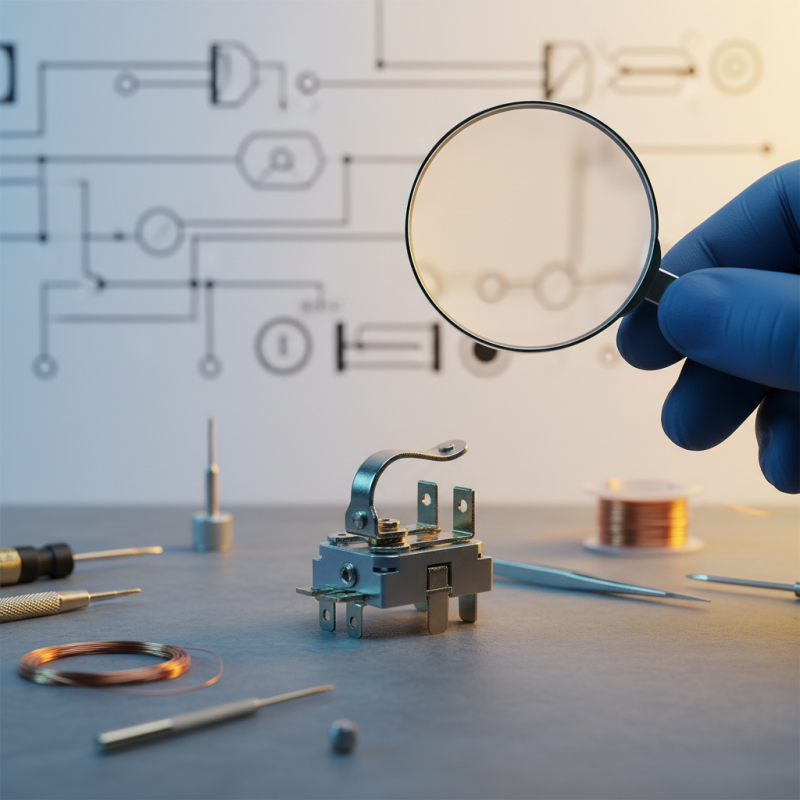
What Is a Micro Switch?
A micro switch is a small, specialized switch that operates through a mechanical movement. It typically consists of a spring-loaded mechanism. This design allows it to activate with very little force. When a trigger is pressed, the internal mechanism makes contact, completing an electrical circuit. This action can be transformed into a variety of outputs in different applications.
Micro switches are commonly used in various devices. You may find them in household appliances, like washing machines and microwaves. They help with functions like door interlocks. The reliability of these switches can impact device performance. However, potential wear and tear can lead to malfunction. This makes regular checks necessary for optimal operation.
These switches are known for their longevity, but they are not infallible. They may struggle in extreme conditions, such as humidity or dust. Over time, repeated use can cause degradation, affecting sensitivity. Users often overlook simple maintenance, which can prevent larger issues. Understanding these nuances can enhance your experience with micro switches.
What is a Micro Switch and How Does It Work? - What Is a Micro Switch?
| Parameter | Description |
| Operating Principle | Mechanical actuation that opens or closes an electrical circuit. |
| Common Usage | Used in various applications like appliances, automotive systems, and industrial machines. |
| Actuation Force | Typically ranges from 0.5 N to 2 N. |
| Electrical Rating | Common ratings are 3A at 125V or 15A at 250V AC. |
| Lifespan | Can operate for over a million cycles based on usage and environment. |
| Types | Available in various types such as sealed, unsealed, and subminiature. |
| Applications | Used in safety devices, limit switches, and user interfaces. |
The Structure and Components of a Micro Switch
A micro switch is a small device that plays a big role in various applications. It has a simple yet effective structure. The main components include an actuator, a spring, and electrical contacts. The actuator is what you physically interact with. It can be pushed or pulled, causing the switch to open or close. This mechanism is very sensitive.
The spring inside provides the necessary force to return the actuator to its original position. Once the actuator moves, it either makes or breaks the connection between the contacts. This action generates an electrical signal. It’s fascinating how something so small can control larger systems.
Yet, not all micro switches are created equal. Some may fail under extreme conditions. The materials used can impact durability and responsiveness. Environmental factors like dust and moisture also play a role. Understanding these aspects is crucial for better designs. Often, overlooked details can lead to unexpected failures. Careful consideration is essential for optimal performance.
Understanding Micro Switch Characteristics
This chart illustrates key specifications of micro switches, including contact force, bounce time, operating life, switching voltage, and current rating. Micro switches are critical components in various applications, and understanding these parameters helps in selecting the right switch for specific needs.
How a Micro Switch Operates and Functions
A micro switch is a small but essential device often found in various appliances and machinery. It operates through a simple mechanism: a lever or plunger that, when pressed, completes an electrical circuit. This action can trigger various operations, such as turning on lights or activating motors. The switch is highly sensitive, requiring little pressure to function, which is why it’s widely used in applications needing precise control.
For example, when you push a button on an elevator, a micro switch detects the pressure and sends a signal to the control system. This moment of connection is quick yet critical in maintaining smooth operation. Different designs exist, catering to tasks ranging from safety interlocks to general-purpose controls.
Tips: When working with micro switches, ensure to choose the right type for your application. Verify the voltage ratings and mechanical life. Consider how the switch will be mounted, as this can impact performance. Remember to allow for potential wear and tear; not all switches are created equal. A faulty switch can cause unpredictable behavior in machinery, so testing and maintenance are crucial. Regular checks can prevent issues before they arise.
Common Applications of Micro Switches
Micro switches are compact devices widely used in various applications. They respond to slight pressure changes. Their design includes a small actuator that triggers electrical contacts. The distinct 'click' sound is satisfying and indicates proper functioning. This makes them popular in many everyday items.
Common applications of micro switches include home appliances and industrial equipment. They are often found in washing machines, ensuring the door is securely closed before operation. In elevators, micro switches help detect the position of doors. They're also crucial in gaming devices, where tactile feedback enhances user experience. This versatility demonstrates their importance across sectors.
However, it's worth noting that micro switches can sometimes wear out. Frequent use may lead to malfunction. This prompts users to reflect on their maintenance practices. Regular checks can prevent issues before they arise. Despite their simplicity, these switches play a critical role in the seamless operation of devices we rely on daily.
Maintenance and Troubleshooting Micro Switches
Micro switches are essential components in many devices, from appliances to industrial machinery. Regular maintenance is crucial to ensure they function properly. According to industry reports, improper maintenance can lead to a 30% decrease in device efficiency.
Inspecting micro switches involves checking for physical damage and wear. Dust and moisture can accumulate, causing malfunctions. A simple cleaning can enhance performance. Routinely cycling the switch can reveal any sticking or responsiveness issues. Frequent checks save time and reduce the chance of unexpected downtime.
Troubleshooting micro switches requires a careful approach. Identifying the problem early can prevent more significant failures. For instance, if a switch fails to engage, it can be due to poor electrical contacts. Using a multimeter to test continuity ensures the switch operates effectively. Interestingly, many users overlook loose wiring, which can lead to intermittent failures. Understanding these factors enhances overall system reliability.