How to Source PCB and Assembly Services for Your Projects?
In today's fast-paced electronics market, sourcing PCB and assembly services has become critical for project success. According to a market research report, the global PCB assembly industry is expected to reach $83 billion by 2026. This growth highlights the increasing demand for high-quality manufacturing and assembly solutions. Companies need reliable partners to navigate this complex landscape effectively.
However, finding the right PCB and assembly services can be challenging. Many projects fail due to poor sourcing decisions. Quality issues and supply chain disruptions are common pitfalls. Industry experts emphasize the importance of rigorous supplier evaluations to mitigate these risks. Businesses must consider factors such as capabilities, certifications, and past performance.
Effective sourcing also involves understanding costs and lead times. A recent survey revealed that nearly 40% of companies underestimated these factors, resulting in project delays. Investing time in identifying the right pcb and assembly service can lead to successful outcomes. By prioritizing experienced vendors, businesses can enhance their project viability and market entry.
Understanding PCB and Assembly Services: An Overview
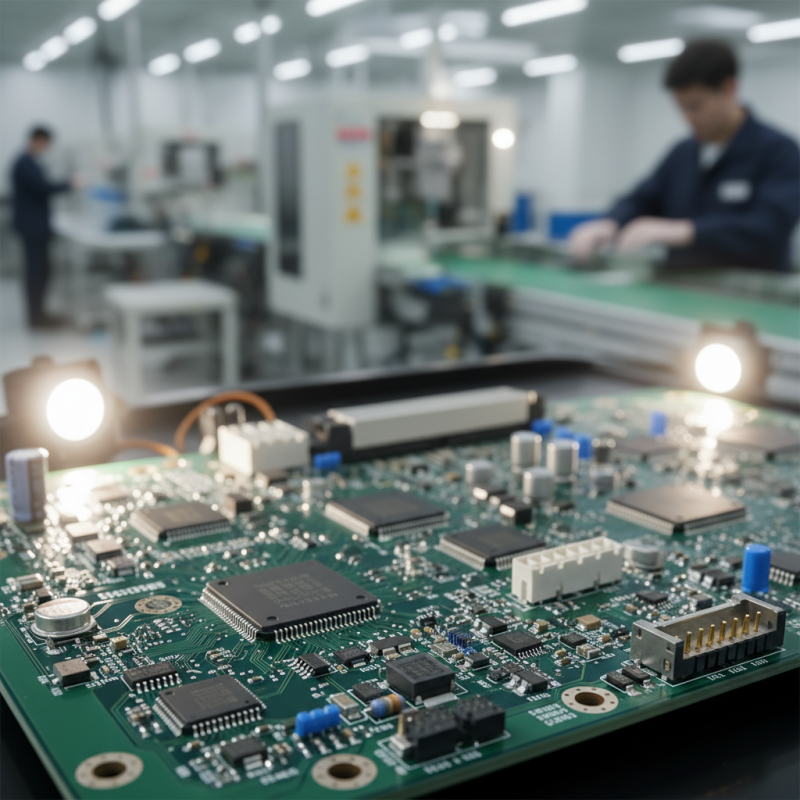
When considering PCB and assembly services, it is essential to understand the components that make up these processes. A printed circuit board (PCB) acts as the backbone of electronic devices. It connects various components and facilitates communication between them. The global PCB market size was valued at approximately $63 billion in 2022. It's projected to grow at a CAGR of 4.5% through 2030, driven by advancements in consumer electronics and automotive sectors.
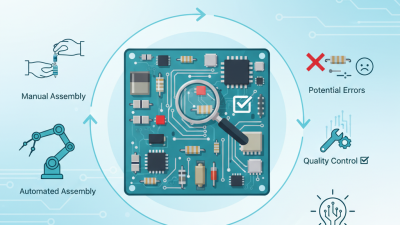
Assembly services, on the other hand, involve placing components onto the PCB. This process requires specialized skills and technology. Many manufacturers now use automated assembly solutions, which improve efficiency and reduce labor costs. A report from IPC indicates that automated assembly can reduce assembly time by up to 30%. However, reliance on automation raises concerns about quality control and precision. Quality assurance processes must be robust to ensure that high standards are maintained.
Moreover, sourcing these services can be tricky. Many companies struggle with balancing cost and quality. Finding a reliable partner demands thorough research and due diligence. A recent survey highlighted that 42% of engineers expressed dissatisfaction with their sourcing experiences. This dissatisfaction often stems from a lack of transparency in pricing and timelines. Understanding the intricacies of PCB and assembly services is crucial for any project’s success.
How to Source PCB and Assembly Services for Your Projects? - Understanding PCB and Assembly Services: An Overview
| Service Type |
Description |
Lead Time |
Cost Range (USD) |
Minimum Order Quantity |
| Prototype PCB Manufacturing |
Rapid production of PCBs for testing and validation. |
1-3 weeks |
$50 - $500 |
1-10 boards |
| Production PCB Manufacturing |
High-volume production suitable for consumer electronics. |
2-5 weeks |
$1 - $10 per board |
50+ boards |
| PCB Assembly |
Assembly of components onto the PCB for complete products. |
1-4 weeks |
$100 - $1000 |
5+ assemblies |
| Design Services |
Assistance with schematic design and PCB layout. |
Varies |
$500 - $3000 |
N/A |
| Testing and Quality Assurance |
Verification of PCB functionality and reliability. |
1-2 weeks |
$200 - $1500 |
Varies |
Assessing Your Project Requirements for PCB Manufacturing
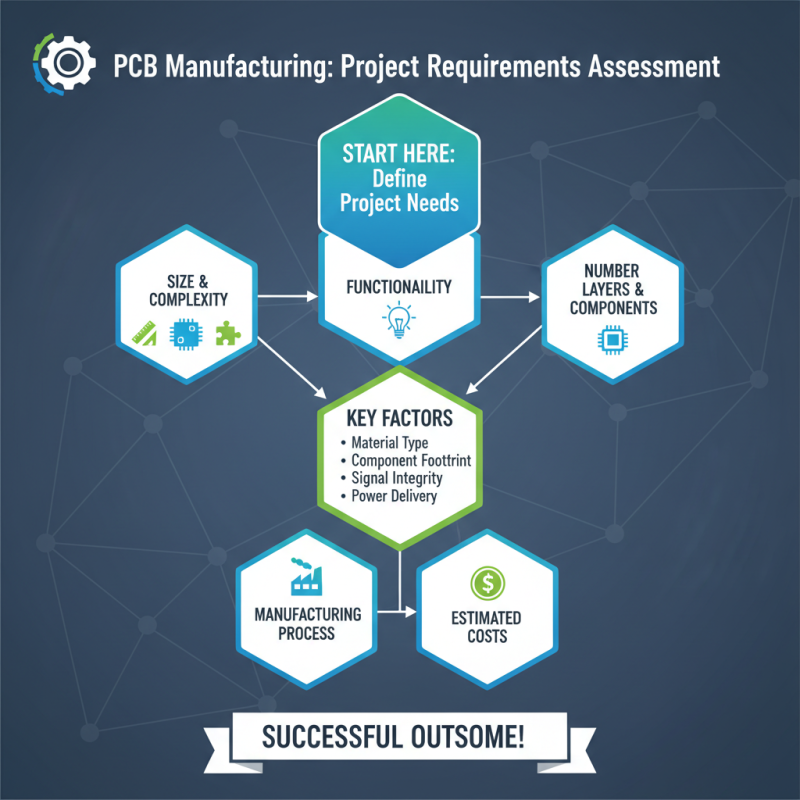
Assessing your project requirements for PCB manufacturing is crucial for a successful outcome. Start by defining the specific needs of your project, such as size, complexity, and functionality. Consider factors like the number of layers, the types of components, and the overall design. These details will significantly impact the manufacturing process and costs.
Next, think about the technology you need. Are you designing a simple circuit board or a more advanced multi-layer PCB? The complexity of your design will influence which assembly services you require. Additionally, examine the components you plan to use. Ensure they are compatible with the chosen manufacturer’s capabilities. This step can save time and reduce the risk of errors.
In this process, reflection is important. Are you prioritizing cost over quality? This can lead to issues down the line. Consider the potential trade-offs when choosing a service provider. Take the time to gather feedback from peers who have experience in PCB projects. Their insights can help refine your requirements and avoid common pitfalls. It's essential to align your expectations with the manufacturer’s expertise.
Researching PCB Suppliers and Assembly Service Providers
When researching PCB suppliers and assembly service providers, it’s essential to approach the task methodically. Start by identifying your project's specific needs. Consider the type of PCB technology required and the complexity of the assembly. Review potential suppliers based on their manufacturing capabilities, certifications, and past work. This can save you from potential setbacks later.
Tips: Create a checklist of essential requirements. This could include production volume, lead times, and quality standards. A clear checklist helps in comparing various providers effectively.
Don’t overlook the importance of customer reviews and case studies. Reliable feedback offers insights into a supplier’s reliability. Engage with previous clients if possible to gather firsthand experiences.
Tips: Ask specific questions about their production processes. Understanding their methods can highlight gaps or strengths in their service. Consider the hidden costs as well, such as shipping and customs fees, which can add up.
Connect with multiple suppliers. This gives you a broader perspective on pricing and service options. Remember that prices may vary widely. They often reflect the quality one can expect. Exploring multiple avenues can lead to better-informed decisions.
Evaluating Quality and Cost Factors in PCB Sourcing
Sourcing PCB and assembly services requires a keen understanding of quality and cost factors. According to a recent report by IPC, 70% of companies prioritize quality over cost when selecting PCB suppliers. This is critical, as poor quality can lead to failures in electronic devices and increased long-term costs. Implementing thorough evaluations during sourcing can mitigate these risks.
Cost factors play a significant role too. Reports suggest that manufacturing costs can vary significantly, sometimes by as much as 30%. Understanding overhead costs, labor rates, and supply chain efficiencies provides valuable insights. Manufacturers often invest in automation to reduce costs but may sacrifice personal touch. This can lead to communication issues, warranting caution in choosing these providers.
Evaluating the reliability of suppliers is essential. A survey found that 60% of engineers experienced delays due to unreliable suppliers. When assessing potential partners, companies should look for certifications and track records. Yet, even quality-certified manufacturers can encounter problems, like material shortages or delivery delays. It is vital to establish contingency plans to manage these uncertainties effectively.
Establishing Communication and Collaboration with PCB Vendors
Establishing effective communication and collaboration with PCB vendors is crucial for successful projects. Start by identifying your specific needs. Be clear about your design specifications, timelines, and budget constraints. A well-defined project outline can help your vendor understand your expectations. Share your vision but also be open to their expertise. They might offer insights you had not considered.
Regular discussions can build a strong partnership. Schedule consistent check-ins to discuss progress and any challenges. This will help keep both sides accountable. Don’t hesitate to ask questions. Address issues promptly to prevent misunderstandings. It's important to create an atmosphere where both parties feel comfortable sharing ideas and concerns.
Remember, feedback is a two-way street. Be prepared to receive constructive criticism about your designs. This can improve the final product. Recognize that adjustments may be necessary along the way. Flexibility in your approach can lead to better collaboration and ultimately, a more successful outcome. Engaging with vendors in this manner fosters trust and reliability, which are essential for a fruitful working relationship.