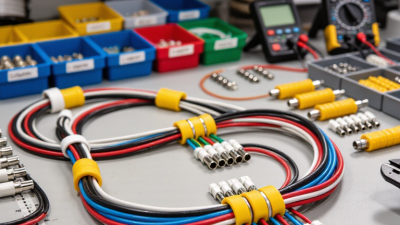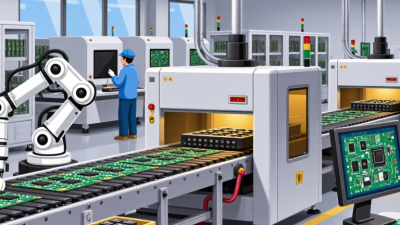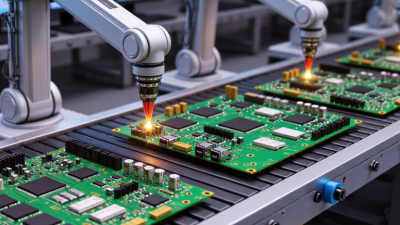
China has become an important sourcing base for wire harness assembly, serving automotive, industrial, medical, and consumer-electronics markets. Choosing a manufacturer, however, involves more than comparing prices or factory photos. Buyers need evidence of process control, traceability, engineering support, and consistent delivery. Small details matter: a terminal crimp should meet specification, a connector should lock securely, and wire labels should remain readable after handling.
Manufacturing-quality expert W. Edwards Deming’s principle is often rendered as, “Quality is everyone’s responsibility.” It applies here: reliable harnesses depend on design review, trained operators, calibrated crimping tools, and careful inspection—not final testing alone. This guide introduces leading Chinese manufacturers and the capabilities buyers can compare, including product focus, customization, quality systems, and communication practices. Ask for relevant certifications, sample records, and clear answers about change control. A polished brochure is not proof. Nor does a long customer list reveal how a supplier handles a late design revision. No ranking is perfect; fit depends on the application, order volume, and required support. Those gaps deserve a closer look.
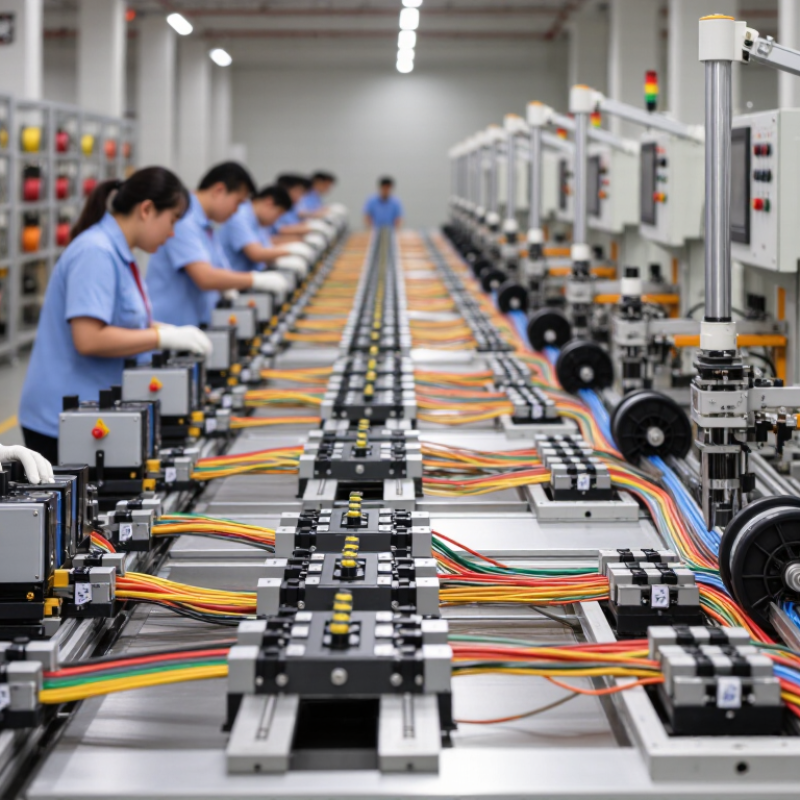
Wire harness assembly manufacturers turn electrical designs into physical cable systems. They cut wires to specified lengths, strip insulation, crimp terminals, and fit seals, connectors, clips, and protective sleeves. Operators then arrange branches on assembly boards, checking routing, labels, and connector orientation against engineering drawings. Small details matter.
The work also includes prototype builds, production planning, and quality checks. Technicians may test electrical continuity, insulation resistance, and terminal retention, while inspectors verify dimensions and visible defects. For vehicle applications, routing must account for heat, vibration, moisture, and abrasion. A drawing can appear complete yet miss a tight bend near a bracket; practical fit checks often reveal what screen reviews cannot.
Demand for reliable assemblies is tied to changing vehicle production. The International Energy Agency’s Global EV Outlook 2024 reports nearly 14 million electric cars were sold in 2023, about 18% of global car sales. That shift increases the importance of carefully specified connections for power and control circuits. Manufacturers therefore need documented materials, controlled crimp settings, and traceable test results. Still, no checklist catches everything; production feedback should refine designs and inspection steps.
| Manufacturing Activity | What the Manufacturer Does | Typical Inputs | Typical Outputs or Checks | Why It Matters to Buyers |
|---|---|---|---|---|
| Engineering and design review | Reviews drawings, wiring diagrams, connector specifications, and routing requirements; flags manufacturability questions before production. | Drawings, bill of materials (BOM), sample parts, electrical requirements | Clarified specifications, assembly instructions, and identified design questions | Helps resolve ambiguities early and reduces the risk of mismatched parts or assembly rework. |
| Material sourcing and incoming inspection | Obtains specified wire, terminals, connectors, seals, sleeves, and protective materials, then checks received items against purchasing and quality requirements. | Approved part specifications, BOM, supplier and inspection requirements | Verified materials and records such as part, lot, or inspection details, when required | Supports consistency between the approved design and the materials used in production. |
| Wire cutting and preparation | Measures and cuts wire to specified lengths, then strips insulation to expose the conductor without damaging it. | Wire type, gauge, cut length, strip length, and process instructions | Prepared wire ends checked for length and visible insulation or conductor damage | Accurate preparation supports reliable termination and fit during installation. |
| Terminal crimping and connector assembly | Attaches terminals to wire ends using specified tooling and assembles contacts, seals, and other components into connector housings. | Terminals, connectors, wire, applicator or tooling specifications | Crimp and assembly checks; pull-force testing may be used according to the inspection plan | Properly made terminations help provide secure electrical and mechanical connections. |
| Soldering and splicing | Performs soldered connections or wire splices when the design and process instructions call for them. | Approved process, wire and joint specifications, insulation materials | Visual or process-based inspection of joints and insulation coverage | Ensures connections follow the specified construction method rather than an assumed alternative. |
| Routing, bundling, and protection | Arranges wires to the required layout and applies items such as tape, sleeves, conduit, clips, or heat-shrink tubing where specified. | Harness drawing, branch dimensions, protection and routing requirements | Completed harness checked for layout, branch positions, and specified protection | Helps the harness fit its intended installation space and meet its mechanical protection requirements. |
| Identification and labeling | Applies wire markers, labels, or other identification required by the design or customer specification. | Label text, location, format, and durability requirements | Identification checked for content, placement, and legibility | Supports installation, inspection, and maintenance of the finished assembly. |
| Electrical and workmanship testing | Checks the finished assembly using tests selected for the product and customer requirements. | Test plan, wiring diagram, acceptance criteria | Continuity or point-to-point checks; insulation-resistance or dielectric-withstand tests when specified | Can help detect wiring errors or electrical defects before shipment; the applicable tests depend on the design. |
| Final inspection and documentation | Inspects completed assemblies against defined acceptance criteria and prepares agreed production or quality records. | Inspection plan, approved samples, customer documentation requirements | Inspection results and, where agreed, traceability or test records | Provides evidence of conformity and makes quality expectations clearer for both parties. |
| Packing and shipment preparation | Protects assemblies from handling damage and packs them according to the agreed packaging and delivery requirements. | Packaging instructions, quantity, destination, and handling requirements | Packaged assemblies with agreed labels and shipment documentation | Helps preserve product condition and supports receiving and inventory processes. |