Blog

What Are the Top Quick Turn PCB Assembly Services in China?

Quick-turn PCB assembly can turn a tested design into a physical prototype within days, but speed alone does not identify a dependable supplier. In China, service options range from prototype-focused workshops to larger manufacturers offering assembly, fabrication, and testing under one roof. The right choice depends on your board’s complexity, order quantity, component availability, and delivery deadline. Small details matter. A clear bill of materials, accurate Gerber files, and a confirmed parts list can prevent avoidable delays before production begins.

This guide examines how to compare quick turn pcb assembly services using practical criteria: quoted turnaround time, engineering support, component sourcing, inspection methods, and communication during production. Ask whether the quoted schedule includes bare-board fabrication, assembly, and shipping, or only one stage. Check how the provider handles unavailable parts, design questions, and changes to the order. Request details about inspection, such as visual checks or electrical testing, when relevant to your project. Promises need context. A short lead time may depend on stocked components, available production capacity, and prompt approval of design files. No single ranking fits every buyer, and supplier information can change. That is worth remembering. By comparing written quotes and clarifying assumptions before payment, readers can identify a service suited to their prototype or small production run without treating the fastest offer as automatically the best.

What Are the Top Quick Turn PCB Assembly Services in China?

What Quick-Turn PCB Assembly Means in China

What Quick-Turn PCB Assembly Means in China

In China, quick-turn PCB assembly means coordinating board fabrication, component sourcing, assembly, and inspection within a shortened schedule. It is not simply a faster soldering line. The clock often starts after engineers submit complete design files and approve the production details. A missing drill drawing or unclear component substitute can stall the job.

A typical order may move from a factory’s engineering review to bare-board production, surface-mount placement, and electrical checks. For example, a small prototype with standard components may move faster than a multilayer board needing hard-to-find parts. Actual timing depends on board complexity, component stock, factory capacity, and shipping arrangements. Fast does not mean instant. Time is not magic. A rushed handoff can create avoidable rework, and even experienced teams sometimes discover a file mismatch late.

Tips: Send Gerber files, a bill of materials, and placement data together. Confirm component availability and acceptable substitutes before production. Ask what the quoted turnaround includes: fabrication, assembly, inspection, and delivery may follow different schedules. Keep one person available to answer engineering questions. Small detail, big difference. A quick process can still miss something, so review the first assembled boards carefully.
What Quick-Turn PCB Assembly Means in China

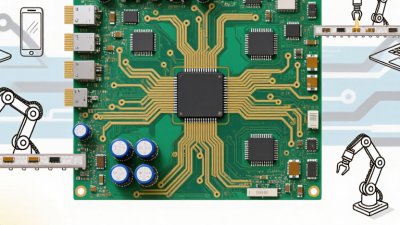
Quick-turn assembly is an expedited prototype production process. The ranges below show indicative working days for each stage; actual timing depends on board complexity, component availability, and supplier capacity. Sourcing may run in parallel with fabrication, so stage durations should not simply be added together.

Indicative planning ranges, not guaranteed lead times. Shipping time is excluded.

How the Quick-Turn PCB Assembly Process Works

A quick-turn PCB assembly job begins with complete files: Gerbers, a bill of materials, pick-and-place data, and assembly drawings. The assembler checks component availability, package sizes, board thickness, and any approved substitutes. Then engineers review clearances, solder-mask openings, panelization, and test access. Missing details can pause a job before production even starts. The clock does not really begin at the quote.

Once the design passes review, the bare boards are fabricated while components are sourced. A stencil applies solder paste, machines place surface-mount parts, and reflow soldering bonds them to the board. Automated optical inspection checks visible joints; X-ray inspection can examine hidden connections such as BGAs. Teams may then perform electrical or functional tests against agreed requirements, using relevant IPC acceptance criteria. Faster is useful, but an unverified substitute can create a slower problem later.

WSTS’s Fall 2024 semiconductor market forecast projected sales of $627.6 billion for 2024, a 19.0% increase over 2023. That figure describes semiconductor sales, not PCB assembly lead times, but it shows the scale of demand pressure on electronic components. Buyers should confirm stock and test scope before approving a rush schedule. One detail is easy to miss: a neat checklist cannot catch every unclear drawing. A short engineering review still matters.

Criteria for Comparing PCB Assembly Services

When comparing quick-turn PCB assembly services in China, check how each supplier defines turnaround time. Does the clock start after file approval, payment, or component arrival? Ask for a written schedule covering fabrication, assembly, and shipping. A promised three-day build means little if weekends or sourcing delays are excluded.

Review the engineering checks offered before production. A capable team should flag mismatched footprints, unclear polarity marks, or tight component spacing before boards reach the line. Ask whether it reviews Gerber files and the bill of materials, and how it handles substitutions. Small details matter. Confirm component traceability and whether parts come from authorized channels. A low quote can hide extra charges for setup, testing, or expedited freight; compare itemized estimates, not just the headline price.

Quality controls deserve equal attention. Look for documented inspection steps, such as automated optical inspection, solder-joint checks, and functional testing when appropriate. Ask what test reports accompany the shipment and how defects are handled. Communication is another useful measure: can the service explain a production issue with photos, clear timing, and a proposed fix? Fast replies are helpful, though they do not prove reliable assembly. One trade-off is easy to miss: the fastest option may offer less time for engineering review, so weigh speed against the complexity of your board.

Notable Quick-Turn PCB Assembly Providers in China

Notable quick-turn PCB assembly providers in China usually serve different project needs rather than offering identical services. Shenzhen suppliers often support rapid prototypes, component sourcing, and surface-mount assembly under one roof. Providers in Dongguan or Suzhou may also offer assembly, inspection, and small-batch production. Location alone does not prove speed or quality.

A useful comparison starts with the assembly scope. Ask whether the quote includes bare-board fabrication, stencil production, component procurement, and final testing. Check the stated lead time for your actual board complexity, not a simple sample project. Confirm how the provider handles unavailable parts and whether substitutions require your approval. Small details matter.

Look for documented inspection steps, such as solder-paste checks, automated optical inspection, and functional testing where appropriate. Request clear files and build records, including revision details and component traceability. A fast quote is not proof of dependable delivery. This comparison has limits: some providers specialize in prototypes, while others prioritize repeat production. I would still verify capacity and communication before sending sensitive design files.

How to Choose a Service for Your Project

When comparing quick turn PCB assembly services in China, start with your project’s actual constraints. Share the Gerber files, bill of materials, board quantity, and required delivery date. Ask whether parts are in stock or must be sourced. A low assembly price can change quickly when components are scarce or shipping is excluded.

Check how each service handles engineering questions before production. Can its team flag mismatched footprints, unclear polarity marks, or missing assembly notes? Ask for a written timeline covering component sourcing, assembly, inspection, and dispatch. Small details matter. A fast quote is not a production guarantee, and websites rarely show how delays are handled.

Match the provider’s equipment and inspection process to your board. Fine-pitch components, mixed through-hole and surface-mount parts, or controlled impedance may need capabilities beyond basic assembly. Request sample inspection records or clear descriptions of solder-paste checks, optical inspection, and functional testing. Confirm how substitutions are approved; you should not discover a changed component after assembly. Communication also deserves scrutiny. Send one technical question and note whether the reply is specific, timely, and consistent with your files. This is not a perfect test, but vague answers early can signal avoidable friction later. Compare the full landed cost, including setup, materials, testing, and freight, before choosing.

What Are the Top Quick-Turn PCB Assembly Services in China?

Compare common service options and choose the right fit for your project’s schedule, quantity, sourcing needs, and assembly complexity.

Service Option Typical Assembly Lead Time Typical Order Size Component Sourcing Best Suited For Key Advantages Points to Confirm
Prototype quick-turn assembly About 2–5 business days after materials and production files are approved 1–20 boards Often customer-supplied, with optional sourcing for available parts First articles, engineering validation, and design revisions Short production runs and fast feedback for design changes Confirm component availability, assembly method, inspection scope, and whether PCB fabrication is included in the quoted lead time.
Turnkey prototype assembly About 5–10 business days; sourcing can extend the schedule 1–50 boards Service provider sources most or all components Teams that want one supplier to coordinate boards, parts, and assembly Reduces purchasing and logistics work for the customer Check the bill of materials for approved alternatives, part traceability, stock status, and any sourcing or setup charges.
Consigned assembly About 2–5 business days after all customer-supplied materials arrive and pass inspection 1–100 boards Customer supplies components; the service provider performs assembly Projects with controlled, proprietary, or already-purchased components Customer retains greater control over component selection and purchasing Confirm material packing rules, incoming inspection, shortages policy, and responsibility for damaged or unusable parts.
Small-batch production assembly About 5–12 business days after materials and files are ready Approximately 20–500 boards Consigned, partial turnkey, or full turnkey options may be available Pilot builds, pre-production runs, and limited commercial releases Can balance production repeatability with moderate quantities Ask about production panelization, process controls, test coverage, yield reporting, and repeat-order lead times.
Mixed-technology assembly About 4–10 business days, depending on through-hole work and process sequencing 1–200 boards Customer-supplied or turnkey, subject to component availability Boards combining surface-mount devices (SMD) with through-hole components Supports a wider range of board designs and component packages Confirm whether hand soldering, selective soldering, or wave soldering is required and whether those steps affect the schedule.
Assembly with functional testing About 5–12 business days, including agreed test and reporting steps 1–200 boards Varies by consigned or turnkey arrangement Boards where basic electrical or functional verification is important before shipment Can identify assembly or basic functional issues before delivery Provide a test procedure, fixtures, firmware, and pass/fail criteria; confirm whether test development is included.

Planning note: Lead times above are indicative business-day ranges, not guaranteed quotes. They commonly begin after production files are accepted and required materials are available. PCB fabrication, component shortages, engineering changes, special testing, holidays, and shipping can add time. Confirm the complete schedule and scope directly before placing an order.